
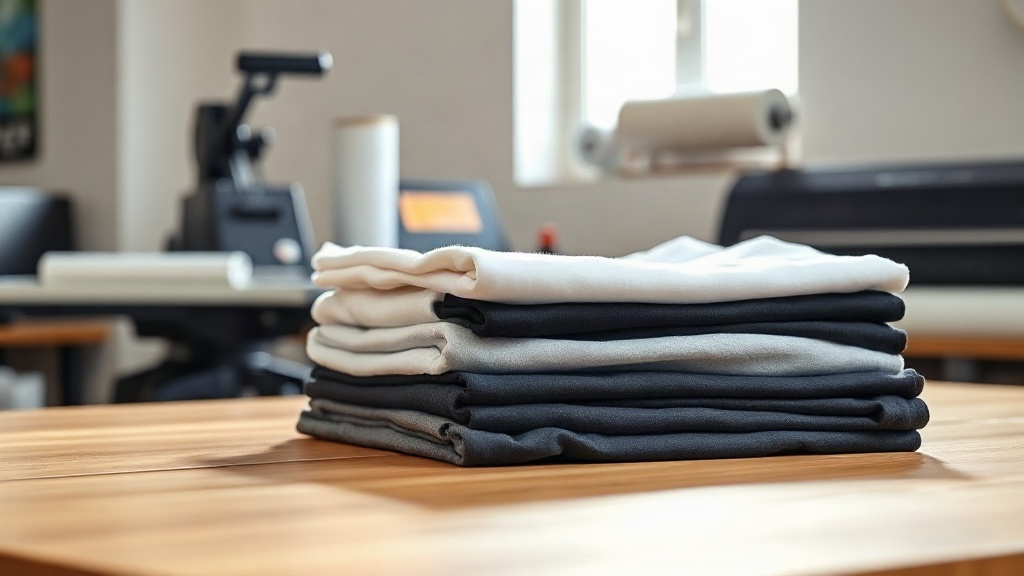
When you're creating custom apparel, the foundation you choose can make or break the final product. That's where smart blanks come in. These aren't just any ordinary t-shirts or hoodies; they're carefully engineered garments designed to work seamlessly with modern printing techniques, ensuring your designs look vibrant and last wash after wash. Whether you're a small business owner, a hobbyist printer, or a merchandise manager for a band, understanding the nuances of smart blanks is essential for delivering quality to your customers.
In this guide, we'll dive deep into the world of smart blanks, explore top brands like Shaka Wear, and show you how DTF transfers can take your creations to the next level. By the end, you'll have the knowledge to select the right blanks and printing methods for your projects.
What Are Smart Blanks and Why Do They Matter?
Smart blanks are apparel items specifically manufactured with decoration in mind. Unlike standard blanks that might have inconsistent fabric weaves or problematic dyes, smart blanks offer a consistent surface for printing. They often feature tighter knit structures, optimized thread counts, and enhanced colorfastness. This means your screen prints, heat transfers, and embroidery adhere better and resist fading.
Why does this matter? Because when you're selling custom apparel, your reputation is on the line. A shirt that cracks after a few washes or a hoodie that pills easily reflects poorly on your brand. Smart blanks minimize these risks, giving you peace of mind and your customers a product they'll love to wear.
Moreover, smart blanks are available in a wide range of styles, from classic tees to trendy crop tops and performance wear. They cater to diverse audiences, ensuring you can find the perfect canvas for any design.
Key Features to Look for in Smart Blanks
Not all blanks are created equal. When sourcing smart blanks, consider these critical features:
- Fabric Composition: Look for 100% ring-spun cotton or high-quality blends. Ring-spun cotton is softer and smoother, ideal for detailed prints.
- Weight: Heavier fabrics (like 5.5 oz and up) tend to hold their shape better and provide a premium feel, while lighter weights are great for layering.
- Stitch Density: Denser stitching indicates better durability and a higher-quality garment.
- Color Consistency: Smart blanks undergo rigorous dyeing processes to ensure batch-to-batch consistency, crucial for large orders.
- Pre-shrunk: Pre-shrunk fabrics reduce the risk of shrinkage after washing, maintaining the fit your customers expect.
By prioritizing these features, you'll avoid the common pitfalls of using inferior blanks that can lead to customer complaints and returns.
Shaka Wear: A Standout in the Smart Blanks Market
When discussing smart blanks, Shaka Wear deserves a special mention. This brand has carved a niche for itself by offering heavyweight, durable apparel that appeals to streetwear enthusiasts and everyday wearers alike. Shaka Wear's blanks are known for their boxy fits, thick cotton, and exceptional printability.
What sets Shaka Wear apart is their commitment to quality. Their t-shirts, for example, often weigh 6 oz or more, giving them a substantial feel that customers associate with luxury. The fabric is tightly knit, which provides a smooth surface for DTF transfers and screen printing, resulting in crisp, vibrant designs.
Additionally, Shaka Wear offers a variety of styles, including crew necks, hoodies, and long sleeves, all designed with the decorator in mind. If you're looking to elevate your custom apparel line, incorporating Shaka Wear blanks is a smart move.
DTF Transfers: The Perfect Match for Smart Blanks
Direct-to-film (DTF) transfers have revolutionized the custom apparel industry, and they pair beautifully with smart blanks. Unlike traditional heat transfers that require specific fabric types, DTF transfers can adhere to a wide range of materials, including cotton, polyester, and blends. This versatility makes them ideal for the diverse offerings of smart blanks.
The process involves printing your design onto a special film, applying a powder adhesive, and then heat-pressing it onto the garment. The result is a soft, stretchable print that withstands repeated washing. When applied to smart blanks, DTF transfers exhibit excellent color vibrancy and detail, even for complex designs with gradients and fine lines.
One of the biggest advantages of DTF transfers is their cost-effectiveness for small to medium batches. You don't need screens or setup fees, making them perfect for on-demand printing and personalized items. Plus, they work seamlessly with the smooth surfaces of smart blanks, ensuring a professional finish every time.
How to Choose the Right Smart Blank for Your Project
Selecting the ideal smart blank depends on several factors, including your target audience, design complexity, and budget. Here's a step-by-step approach:
- Identify Your Audience: Are you targeting fashion-forward youth, professionals, or athletes? Each group has different preferences for fit, fabric, and style.
- Consider the Design: Intricate designs with many colors may require a smoother, tighter fabric to capture details accurately.
- Test Print: Always order samples and test print before committing to a large order. This helps you assess how the blank interacts with your chosen printing method.
- Evaluate Durability: Check wash tests to ensure the print and garment hold up over time.
- Budget: Balance quality with cost. Sometimes spending a bit more on premium blanks reduces waste and returns.
By following these steps, you'll make informed decisions that lead to satisfied customers and a stronger brand reputation.
Maximizing Print Quality on Smart Blanks
Even with the best blanks, poor printing techniques can ruin the outcome. Here are some tips to get the most out of your smart blanks and DTF transfers:
- Pre-press the Garment: This removes moisture and wrinkles, ensuring the transfer adheres evenly.
- Use the Right Pressure and Temperature: Follow the transfer manufacturer's guidelines. Typically, 325°F for 15-20 seconds with medium pressure works well.
- Peel with Care: Wait for the transfer to cool before peeling (cold peel) or peel hot, depending on the film type. This prevents distortion.
- Post-press for Durability: A second press for a few seconds can enhance wash fastness.
- Store Blanks Properly: Keep blanks in a dry, dust-free environment to avoid contamination that can affect adhesion.
These practices, combined with high-quality smart blanks, will yield professional-grade apparel that stands out.
Common Mistakes to Avoid with Smart Blanks and DTF Transfers
Even experienced printers can slip up. Watch out for these pitfalls:
- Using Low-Quality Blanks: Saving a few cents per unit can lead to higher return rates and damaged reputation.
- Ignoring Fabric Content: Some fabrics require specific transfer types. Always check compatibility.
- Overstretching: When applying transfers, avoid stretching the garment, as this can cause misalignment.
- Skipping Wash Tests: Always test a sample through multiple wash cycles to ensure longevity.
- Improper Storage: DTF transfers should be stored in a cool, dry place away from direct sunlight.
By steering clear of these mistakes, you'll consistently produce high-quality custom apparel.
Frequently Asked Questions
What exactly are smart blanks and how do they differ from regular blanks?
Smart blanks are apparel items engineered specifically for decoration. They differ from regular blanks in their fabric consistency, tighter knits, and optimized dyeing, which ensure better print adhesion and durability. Regular blanks may have inconsistencies that lead to poor print results.
Can I use DTF transfers on any Shaka Wear product?
Yes, DTF transfers work well on most Shaka Wear products because they are made from cotton and cotton blends. However, always test on a sample first to confirm compatibility, especially with heavily textured fabrics.
How do I ensure my DTF transfers last long on smart blanks?
To maximize longevity, pre-press the garment, use the correct temperature and pressure, and post-press after application. Also, wash the garment inside out in cold water and avoid harsh detergents.
Are smart blanks more expensive than regular blanks?
Smart blanks often come at a slightly higher price point due to their superior quality and consistency. However, the reduced waste and higher customer satisfaction often offset the initial cost.
What is the best way to store smart blanks before printing?
Store smart blanks in a cool, dry place, away from direct sunlight and dust. Keep them in their original packaging or cover them with a clean sheet to prevent contamination.
By now, you should have a solid understanding of how smart blanks, Shaka Wear, and DTF transfers can work together to create outstanding custom apparel. Whether you're just starting out or looking to refine your process, investing in quality blanks and mastering DTF printing will set you apart in a competitive market. Remember, the best designs deserve the best canvas, so choose wisely and print with confidence.