
When you first venture into the world of custom apparel, the array of printing methods can feel overwhelming. Screen printing, heat transfer vinyl, sublimation, and dtf transfers each have their own strengths and quirks. Among them, DTF (Direct to Film) has rapidly gained popularity for its versatility and vibrant results. But like any technique, achieving flawless prints requires more than just buying a roll of film and a heat press. In this guide, we'll dive deep into the practical aspects of DTF printing, sharing insights that only come from hands-on experience. Whether you're a small shop owner or a DIY enthusiast, you'll find actionable advice to elevate your prints from good to outstanding.
Understanding the DTF Process
DTF printing is a digital printing method where your design is printed onto a special film, then coated with a powdered adhesive, and finally transferred to fabric using heat and pressure. The process involves several steps: printing the design with pigment inks, applying hot melt powder, curing the powder, and then pressing the film onto the garment. Each step has its own nuances that affect the final outcome. Unlike DTF, which requires a film intermediary, direct-to-garment (DTG) printing applies ink directly to the fabric, but DTF's ability to work on a wide range of materials gives it a distinct edge.
Why Choose DTF Transfers?
The appeal of DTF lies in its flexibility. It adheres beautifully to cotton, polyester, blends, and even nylon, without the need for pre-treatment. That means you can offer your customers prints on everything from 100% cotton tees to performance wear. The prints are stretchable, durable, and hold up well to repeated washing. Plus, DTF doesn't require color separations or screens, making short runs and one-offs economically viable. For businesses looking to expand their product offerings, DTF opens doors to new markets like sportswear and personalized gifts.
Fabric Compatibility
One of the most common questions is: what fabrics can I use? The short answer is almost anything. However, some fabrics yield better results than others. Cotton and cotton blends are the most forgiving, producing soft prints with excellent detail. Polyester can be trickier because the ink may interact with the fabric's dye, but with proper settings, you can achieve great results. For nylon, a lower pressing temperature is advisable to avoid scorching. Always test on a swatch before committing to a full run.
Step-by-Step DTF Printing Workflow
Let's break down the process into manageable steps. This is the workflow we've refined over countless orders, and it reliably produces professional-grade results.
1. Design Preparation
Start with a high-resolution image. Vector files are ideal, but 300 DPI raster files work well too. Remember that DTF prints are opaque, so you don't need to worry about background colors bleeding through. However, if your design has fine details or gradients, ensure they are crisp. Mirror the image before printing, as the film will be flipped during transfer.
2. Printing the Film
Load your DTF printer with quality film and pigment inks. Set the printer to the appropriate profile for DTF. After printing, immediately apply hot melt powder over the wet ink. Shake off excess powder and cure the film under a heat source until the powder melts and forms a smooth, slightly glossy layer. This step is critical: undercuring leads to poor adhesion, while overcuring can make the film brittle.
3. Pressing the Transfer
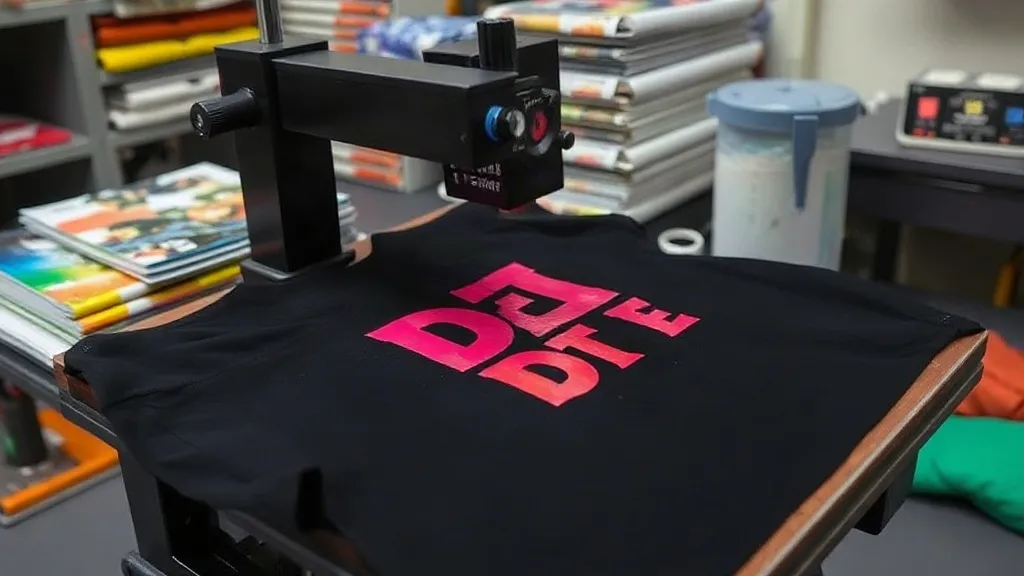
Set your heat press to the recommended temperature (usually around 160°C or 320°F) and medium pressure. Place the garment on the press, position the transfer film with the design facing up, and press for 10-15 seconds. Wait for the film to cool completely before peeling. Cold peel is essential for DTF; peeling while hot can distort the design or leave adhesive residue.
Common Pitfalls and How to Avoid Them
Even seasoned pros encounter issues. Here are the most frequent problems and their solutions:
- Print peels off after washing: This usually indicates insufficient pressure or undercuring of the powder. Increase pressure and ensure the powder is fully melted.
- Design cracks: Overstretching the garment during pressing or using too high a temperature can cause cracking. Use moderate pressure and stick to the recommended temperature.
- Color fading: Low-quality film or ink can lead to fading. Invest in reputable supplies and store them properly.
- Adhesive residue on the press: Use a Teflon sheet or parchment paper to protect your press, and clean it regularly.
Choosing the Right Supplies
Not all DTF films and powders are created equal. Cheap film may not release properly or may leave a sticky residue. Look for films that are specifically designed for DTF printing and are compatible with your printer. The powder should have a consistent particle size for even melting. We've found that mid-range to high-end supplies save money in the long run by reducing waste and reprints.
Maximizing Efficiency with Gang Sheets
If you're running a business, time is money. Gang sheets allow you to print multiple designs on a single large film, cutting down on setup time and material waste. Arrange your designs efficiently, leaving a small gap between them for easy cutting. This approach is especially beneficial for small orders that would otherwise be costly to produce individually.
DTF vs. Other Printing Methods
How does DTF stack up against screen printing and vinyl? Screen printing is cost-effective for large orders but requires setup and is limited to certain fabrics. Vinyl is great for simple one-color designs but struggles with complex images. DTF shines in its ability to produce full-color, detailed prints on almost any fabric, with no minimum order. It's the Swiss Army knife of garment decoration.
Frequently Asked Questions
Can I use DTF transfers on dark shirts?
Absolutely. DTF prints are opaque and include a white ink layer, so they show up vividly on both light and dark fabrics. Just ensure you use enough white ink in your design.
How durable are DTF prints?
When applied correctly, DTF prints can withstand 50+ washes without significant fading or cracking. Proper curing and pressing are key to longevity.
Do I need a special printer for DTF?
You can convert a standard inkjet printer to use DTF pigment inks, but dedicated DTF printers are available and offer better reliability and color consistency.
What is the best way to store DTF film?
Store film in a cool, dry place away from direct sunlight. Humidity can affect the powder adhesion, so keep it sealed until use.
Can I reuse DTF film?
No, DTF film is single-use. Once the design is transferred, the film cannot be reused.
With these insights, you're well-equipped to tackle DTF printing with confidence. Remember, practice makes perfect. Don't be afraid to experiment and refine your technique. For high-quality dtf supplies and transfers, check out our collection. Happy printing!