
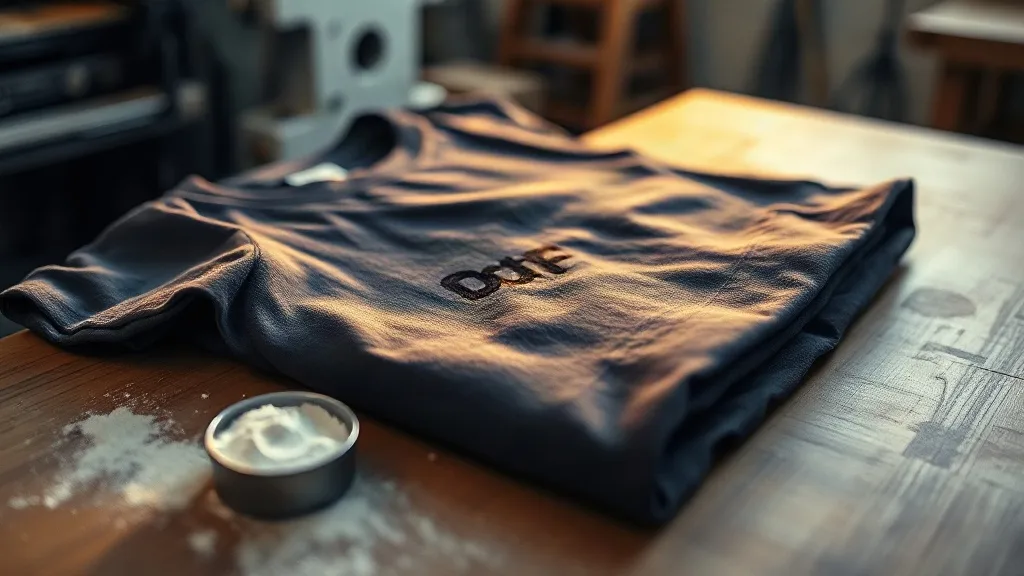
Raised, tactile prints used to be a screen-printing trick. You mixed a puff additive into the ink, flashed it under heat, and watched the surface lift into a soft dome. For a small shop, that meant a dedicated screen, a careful mix, and a lot of trial and error before the first sellable shirt came off the platen. Today, more and more printers are chasing that same dimensional look with dtf transfers, and the results are closer to screen-printed puff than most people expect. The catch is that the technique is not simply "press it hotter and longer." Raised effects live or die on artwork prep, powder choice, and a press routine that respects the film.
This guide is for the shop owner or hobbyist who has already run standard dtf jobs and wants to add a premium texture without buying new equipment. We will walk through what actually creates the puff effect, how to prepare files so the raised areas stay crisp, and the press settings that keep the texture from flattening out after three washes.
What Actually Creates the Raised Effect
Standard DTF film carries a layer of pigment ink that is dusted with a hot-melt adhesive powder, then cured. The powder fuses into a flexible plastic skin that bonds to fabric under heat. A puff effect works on the same principle, but the powder itself is different. Puff powders are formulated with a blowing agent that expands when heated, so the adhesive layer foams up into a spongy, raised surface.
That single change in powder is the heart of the technique. The ink still lays down the color, the film still carries the design, and the press still does the bonding. What changes is the chemistry of the adhesive and, critically, the way you handle the film between printing and pressing.
The Role of the Puff Powder
Puff powder particles are typically larger and more irregular than standard adhesive powder. They need a slightly heavier dusting to fully coat the wet ink, and they need a gentler cure so the blowing agent stays dormant until the final press. If you over-cure the film, the powder starts expanding on the film itself, which leaves you with a lumpy, brittle transfer that will not bond cleanly.
In practice, this means setting your film curing temperature a little lower than usual and watching the surface closely. You want the powder to melt into a smooth skin, not to bubble. A good habit is to run a small test strip before committing a full sheet, especially when you switch powder suppliers.
Why Artwork Prep Matters More Than Ever
Raised areas spread outward as they expand. A one-millimeter gap between two colors on a flat print can close up entirely once the powder puffs. That is why puff artwork needs more breathing room than a standard design. Thin lines, small text, and tight registration all become risky when the surface lifts.
- Keep raised elements at least two millimeters apart so the expansion does not merge them.
- Avoid puff on text smaller than about 14 points; the letters will blur into each other.
- Use puff as an accent on a larger flat design rather than as the whole print.
- Build a dedicated puff layer in your file so you can isolate it if the client wants a flat version later.
Designers who treat the puff layer as a separate element, with its own color and its own spacing rules, get far more predictable results than those who simply toggle a texture on a finished file.
Choosing the Right Garment for a Raised Print
Puff effects look best on fabrics with a little structure. A 100% cotton tee with a smooth surface gives the powder something to grab, and the raised dome reads clearly against the flat cloth. On very stretchy blends, the puff can crack along the edges as the fabric moves, because the foamed adhesive is less elastic than a standard transfer.
Heavyweight cotton and ring-spun cotton are the safest bets. Polyester performance wear is a tougher sell: the lower press temperatures that protect the fabric may not fully activate the puff, and the result can feel undercured. If a client insists on a synthetic blank, run a wash test before you quote the job.
Fabric Color and Contrast
Raised prints catch light differently than flat ones, so a puff element in the same color as the shirt can look muddy. A tonal puff, where the raised area is a shade lighter or darker than the base, tends to read better than a pure match. This is a small design decision that separates a print that looks intentional from one that looks like a mistake.
Press Settings That Keep the Texture Alive
The press is where most puff jobs succeed or fail. Standard DTF pressing relies on firm, even pressure to drive the adhesive into the fabric. Puff needs enough pressure to bond but not so much that it crushes the foam before it sets. Finding that window takes a little patience.
- Pre-press the garment to remove moisture. A dry shirt bonds better and reduces steam that can trap under the transfer.
- Set temperature around 150 to 160 degrees Celsius, slightly lower than a standard DTF press. Higher heat can scorch the foam surface before the adhesive fully cures.
- Use medium pressure, not firm. You want contact, not compression.
- Press for 10 to 12 seconds, then peel the film warm or cold depending on your film type.
- Post-press with a cover sheet for a few seconds to smooth the surface without flattening it.
Every press runs a little differently, so treat these numbers as a starting point. Keep a log of temperature, time, and pressure for each powder batch, and you will build a reliable recipe for your own shop within a few jobs.
Peeling and Cooling
Warm peel is usually safer for puff because the adhesive is still slightly mobile and less likely to tear. Cold peel can work, but the foamed surface is more prone to cracking if the film is yanked. Let the transfer cool flat, and resist the urge to stretch or fold the shirt until it has fully set.
Wash Durability: What to Expect from Puff
Honest answer: puff will not outlast a flat transfer. The foamed structure is inherently more fragile, and repeated washing gradually compresses the raised areas. Most well-pressed puff prints hold their texture through 20 to 30 home washes before they start to relax. That is still a solid lifespan for a fashion or streetwear piece, but it is not the print you want on a work uniform that gets washed daily.
Set client expectations early. Tell them the texture will soften over time, and recommend washing inside out in cold water. A gentle cycle and air drying will keep the puff looking sharp far longer than a hot dryer.
Where Puff Fits in Your Product Line
Puff is a premium add-on, and it should be priced like one. The extra powder, the slower press routine, and the higher reject rate all add cost. Shops that treat puff as a standard print usually end up losing money on it. Shops that position it as a texture upgrade, with a small upcharge per piece, find that clients are happy to pay for the tactile difference.
It also pairs well with the trend toward quieter, more considered branding. A small raised logo on the chest of a heavyweight tee reads as quality without shouting. For clients searching for dtf transfers near me who want something beyond a flat print, puff is an easy conversation starter.
Common Mistakes to Avoid
- Over-curing the film so the powder expands before it reaches the shirt.
- Using firm pressure that crushes the foam during the press.
- Designing tight registration between puff and flat elements.
- Skipping the pre-press and trapping moisture under the transfer.
- Quoting puff at the same price as a standard transfer.
Most of these come down to treating puff as a different process rather than a setting. Once you build a separate workflow for it, the reject rate drops fast.
Frequently Asked Questions
Can I create a puff effect with any DTF film?
Most standard DTF films can carry puff powder, but the film's coating and the powder's particle size need to work together. Some films are optimized for standard adhesive and may not hold the heavier puff powder evenly. Test a small batch with your supplier's recommended film before running a full order.
How much does a puff effect add to the cost per shirt?
The powder itself costs more than standard adhesive, and the slower press routine reduces throughput. In most shops, that translates to a modest upcharge per piece, often in the range of a small premium rather than a doubling of cost. Price it based on your own powder usage and press time, not on a generic rule of thumb.
Will puff transfers work on polyester athletic wear?
They can, but the results are less reliable. Polyester needs lower press temperatures, which may not fully activate the puff powder, and the fabric's stretch can crack the foamed surface. Always run a wash test on the actual blank before quoting a synthetic job.
How long does a puff print last?
With a proper press and cold-water washing inside out, most puff prints keep their texture through 20 to 30 washes. After that, the raised areas gradually compress. It is a durable effect for fashion and streetwear, but not the right choice for garments that see heavy daily washing.
Can I combine puff and flat elements in one design?
Yes, and it is one of the best ways to use the technique. Keep the puff as an accent, give it generous spacing from flat elements, and build it as a separate layer in your file. This lets you offer a flat version of the same design if a client prefers it.