
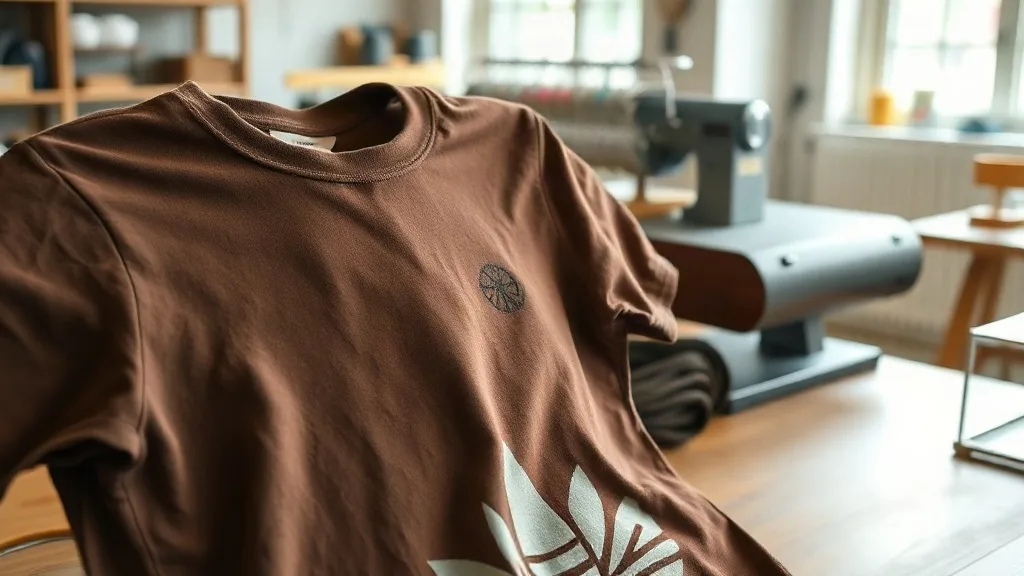
When you run a print shop, every blank you choose affects the final product. For embroidery, the stakes are even higher: a poorly chosen tee can pucker, distort, or wear out quickly under the dense stitching. That's why many embroiderers turn to shaka wear tees. These heavyweight blanks have earned a reputation for holding up under embroidery without sacrificing comfort or style. In this guide, we'll explore what makes shaka wear a smart choice for embroidery projects, from fabric weight to stitch compatibility, and share practical tips to help you get the best results.
Why Embroidery Demands a Different Kind of Blank
Embroidery is not like screen printing. Instead of laying ink on the surface, you're pushing thousands of stitches through the fabric. This puts stress on the material, and if the fabric is too thin or unstable, the embroidery can cause puckering, distortion, or even holes. A good embroidery blank needs to be dense enough to support the stitches, stable enough to prevent shifting, and soft enough to be comfortable against the skin. shaka wear tees are engineered with these requirements in mind.
The Role of Fabric Weight in Embroidery
Fabric weight is measured in grams per square meter (GSM). Lighter fabrics, like 150 GSM, are breathable but may not provide enough support for dense embroidery. Heavier fabrics, such as 200 GSM and above, offer a more stable base. shaka wear heavyweight tees typically fall in the 200-240 GSM range, making them ideal for embroidery. The extra weight helps the fabric recover from the needle penetration and reduces the risk of stretching or sagging around the design.
How Shaka Wear's Fabric Weight Compares
Many standard blanks sit around 180 GSM, which can work for light embroidery but may struggle with larger, denser designs. shaka wear's heavyweight options provide a noticeable difference in stability. For embroiderers, this means fewer puckers, cleaner edges, and a more professional finish. It's not just about thickness; the density of the knit also matters. shaka wear uses a tight knit that holds stitches securely without being stiff.
Stitch Compatibility: What Works Best on Shaka Wear
Not all embroidery techniques are created equal. shaka wear tees handle a range of stitch types, but some perform better than others. Here's a breakdown:
- Flat embroidery: This is the most common and works well on shaka wear. The fabric's stability prevents distortion, even with dense fills.
- 3D puff embroidery: The heavyweight fabric supports the raised foam without sagging, making it a great choice for caps and thick lettering.
- Applique: The tight weave provides a smooth surface for attaching fabric pieces, reducing the chance of shifting.
- Delicate stitches: Fine details like small text or thin lines may require a backing to prevent the stitches from sinking into the fabric. A lightweight cutaway backing is recommended.
For best results, always test your design on a sample first. shaka wear is consistent, but different thread weights and densities can interact differently with the fabric.
Choosing the Right Shaka Wear Style for Your Project
shaka wear offers several styles, each with unique characteristics. The most popular for embroidery is the heavyweight crew neck tee, but other options like long sleeves and hoodies also perform well. When selecting a style, consider the garment's end use. For corporate uniforms, a classic tee with a left-chest logo works perfectly. For streetwear brands, oversized fits and heavier fabrics allow for bold, large-scale embroidery. Also, think about the color: dark fabrics can make light threads pop, while tonal embroidery on light fabrics offers a subtle look.
Preparing Shaka Wear Blanks for Embroidery
Proper preparation is key to a flawless finish. Before you hoop the garment, follow these steps:
- Pre-wash if necessary: shaka wear tees are pre-shrunk, but some embroiderers prefer to wash and dry them to eliminate any residual shrinkage. Always follow the care label.
- Stabilize: Use a cutaway backing appropriate for the fabric weight. For heavyweight tees, a medium-weight cutaway is usually sufficient.
- Hoop carefully: Avoid overstretching the fabric. Hoop it taut but not tight; excessive tension can cause puckering after embroidery.
- Use the right needle: A sharp needle (size 75/11 or 80/12) works well for knits. Replace needles regularly to avoid snags.
These steps, combined with the quality of shaka wear, set you up for success.
Common Pitfalls and How to Avoid Them
Even with great blanks, mistakes happen. Here are some common issues and solutions:
- Puckering: Often caused by insufficient backing or improper hooping. Use a cutaway backing and hoop gently.
- Stitch distortion: If the design looks warped, the fabric may be stretching during embroidery. Reduce stitch density or use a topping.
- Color bleeding: Not common with shaka wear, but always pre-test thread colors on a swatch.
- Needle holes: Large holes can occur if the needle is dull or too large. Use a smaller needle and slow down the machine.
By addressing these issues early, you'll save time and materials.
Why Shaka Wear Stands Out Among Smart Blanks
When sourcing blanks, many shops also consider smart blanks as an alternative. While smart blanks offer good value, shaka wear distinguishes itself with superior fabric weight and consistency. For embroidery, the extra stability of shaka wear often justifies the slightly higher cost, especially for premium projects. Additionally, shaka wear's reputation for minimal shrinkage means your embroidered design stays true to size, wash after wash.
Embroidery on Shaka Wear: A Smart Investment
For print shops and brands that take embroidery seriously, shaka wear tees are a reliable choice. Their heavyweight fabric, tight knit, and consistent sizing make them a favorite for everything from small logos to large back designs. By understanding the fabric's characteristics and following best practices, you can achieve professional results that delight your customers. Whether you're embroidering for a corporate client or a streetwear drop, shaka wear delivers the quality you need.
Frequently Asked Questions
Can I embroider on Shaka Wear's lighter weight tees?
Yes, but lighter weights (under 200 GSM) may require additional backing to prevent puckering. For best results, stick to heavyweight styles for dense designs.
What backing should I use for Shaka Wear embroidery?
A medium-weight cutaway backing is ideal for most shaka wear tees. For very dense designs, use a heavier cutaway or add a topping.
Does Shaka Wear shrink after washing?
shaka wear tees are pre-shrunk, but minimal shrinkage (1-3%) can occur. Always pre-wash if precise sizing is critical.
How do I prevent embroidery from puckering on Shaka Wear?
Ensure proper hooping (taut but not stretched), use a cutaway backing, and avoid excessive stitch density. Test on a sample first.
Is Shaka Wear suitable for 3D puff embroidery?
Absolutely. The heavyweight fabric provides a stable base for 3D puff, making it a popular choice for caps and bold lettering.