
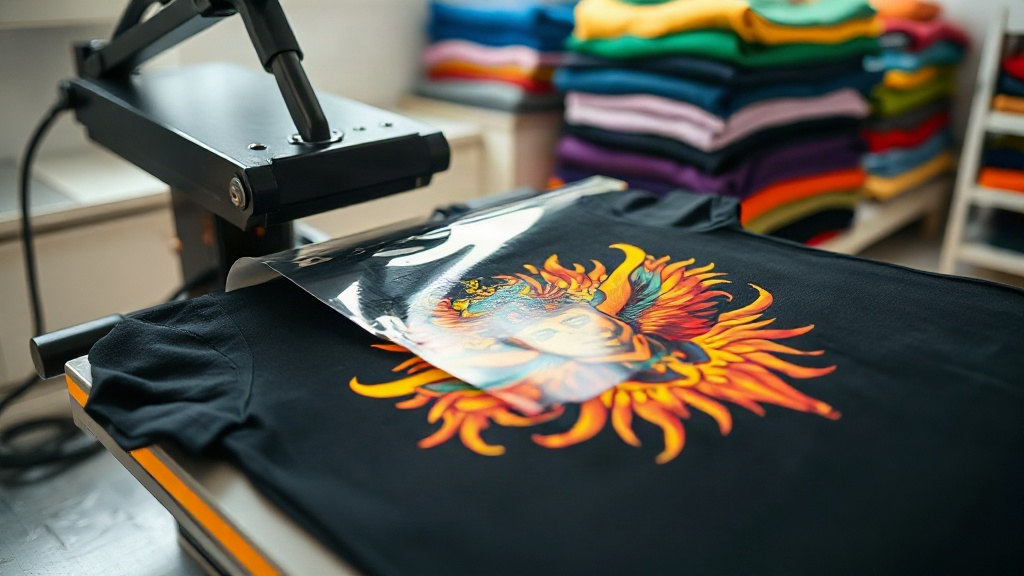
If you've been in the custom apparel game for any length of time, you've likely heard the buzz around DTF transfers. This innovative printing method is quickly becoming a favorite among crafters, small business owners, and DIY enthusiasts alike. But what exactly makes DTF transfers so special, and why are they giving traditional methods a run for their money? In this guide, we'll dive deep into the world of DTF transfers, covering everything from the basics to advanced application tips. Whether you're just starting out or looking to expand your decorating options, understanding DTF transfers can open up a world of possibilities for your custom apparel projects.
What Are DTF Transfers?
DTF stands for Direct-to-Film. It's a printing technology where your design is printed onto a special film, coated with a heat-activated adhesive powder, and then transferred onto fabric using a heat press. Unlike DTG (Direct-to-Garment) printing, which prints directly onto the garment, DTF transfers allow you to print the design first and apply it later. This decoupling of printing and application offers incredible flexibility, especially for small businesses that want to produce items on demand without investing in expensive equipment.
The process involves several steps: designing your artwork, printing it onto the DTF film using specialized inks, applying adhesive powder while the ink is still wet, curing the powder, and finally transferring the design onto your garment with a heat press. The result is a vibrant, durable print that adheres well to a variety of fabrics, including cotton, polyester, blends, and even some specialty materials like leather and denim.
How DTF Transfers Differ from Other Methods
Compared to screen printing, DTF transfers don't require separate screens for each color, making them more cost-effective for multi-color designs and short runs. Unlike vinyl cutting, DTF transfers can handle complex gradients, fine details, and photographic images with ease. And unlike DTG, DTF transfers can be applied to dark garments without a white underbase, saving time and simplifying the process. Each method has its strengths, but DTF transfers shine when it comes to versatility and ease of use.
The Benefits of Using DTF Transfers
So why should you consider adding DTF transfers to your repertoire? Here are some compelling reasons:
- Vibrant colors and fine details: DTF transfers produce bright, opaque prints that pop on both light and dark fabrics. The technology allows for intricate designs, including gradients, shadows, and small text, without losing clarity.
- Fabric versatility: You can apply DTF transfers to a wide range of materials, including 100% cotton, poly-cotton blends, 100% polyester, and even treated leather. This makes them ideal for diverse product lines.
- No weeding or masking: Unlike vinyl, DTF transfers come ready to apply. There's no tedious weeding process, which saves time and reduces waste.
- Durability: When applied correctly, DTF transfers are highly durable. They resist cracking, peeling, and fading even after multiple washes.
- Cost-effective for short runs: Without the setup costs of screen printing, DTF transfers are economical for small batches and one-off items.
- Easy to store and ship: DTF transfers can be printed in advance and stored for later use, making them perfect for on-demand production or for selling as ready-to-apply products.
These benefits make DTF transfers an attractive option for a wide range of applications, from custom t-shirts and tote bags to promotional items and personalized gifts.
How to Apply DTF Transfers: A Step-by-Step Guide
Applying DTF transfers is straightforward, but following the correct steps is crucial for a professional, long-lasting result. Here's a detailed guide to help you get it right every time.
Step 1: Prepare Your Workspace and Materials
Before you begin, gather everything you need: your DTF transfer, a heat press, a garment, and a protective sheet (like parchment paper or a Teflon sheet). Ensure your workspace is clean and free of dust or lint. Preheat your heat press to the recommended temperature, usually between 300°F and 325°F (150°C to 160°C).
Step 2: Pre-Press the Garment
Pre-pressing the garment removes moisture and wrinkles, creating a smooth surface for the transfer. Press for 5-10 seconds at the same temperature you'll use for the transfer. This step is often overlooked but can significantly affect adhesion.
Step 3: Position the Transfer
Place the DTF transfer onto the garment with the printed side facing up. The adhesive side (which feels slightly tacky) should be against the fabric. Position it exactly where you want it. If you need to reposition, do so before pressing.
Step 4: Apply Heat and Pressure
Cover the transfer with a protective sheet. Apply the heat press with medium to firm pressure for 15-20 seconds. The exact time and temperature can vary depending on the film manufacturer, so always check their recommendations. Too little heat or pressure can result in poor adhesion, while too much can cause the design to spread or scorch.
Step 5: Peel the Film
After pressing, you have two options: hot peel or cold peel. Most DTF transfers are cold peel, meaning you should wait until the film cools down completely before peeling it off. Peeling while hot can cause the design to stretch or tear. Once cooled, peel the film slowly at a low angle. If any part of the design lifts, press again for a few seconds.
Step 6: Post-Press for Durability
For added durability, especially on stretchy fabrics, cover the design with a protective sheet and press again for 5-10 seconds. This helps the adhesive fully bond with the fabric.
Common Mistakes to Avoid with DTF Transfers
Even with a straightforward process, mistakes can happen. Here are some common pitfalls and how to avoid them:
- Insufficient pressure: If the pressure is too light, the transfer won't adhere properly. Make sure your heat press is adjusted correctly.
- Wrong temperature: Using a temperature that's too low can result in peeling; too high can burn the fabric or cause the ink to crack. Always follow the film's guidelines.
- Not pre-pressing: Skipping pre-pressing can trap moisture, leading to poor adhesion.
- Peeling too soon: Patience is key. Wait for the transfer to cool completely before peeling.
- Using the wrong fabric: While DTF works on many fabrics, some materials like nylon or fabrics with a heavy waterproof coating may not bond well.
By avoiding these mistakes, you'll achieve consistent, professional-looking results.
DTF Transfers vs. Other Decorating Methods: A Comparison
To help you decide if DTF transfers are right for your project, let's compare them to other popular methods.
DTF vs. Screen Printing
Screen printing is cost-effective for large orders of simple designs, but it requires separate screens for each color, making it expensive for multi-color or short runs. DTF transfers have no setup costs and handle full-color designs effortlessly, making them ideal for small batches and complex artwork.
DTF vs. DTG
DTG printing is great for 100% cotton garments and produces a soft feel, but it often requires pre-treatment and can be slow. DTF transfers work on more fabrics, don't need pre-treatment, and allow you to print in advance. However, DTG might have a slight edge in breathability for large prints.
DTF vs. Vinyl
Vinyl is durable and great for simple text and shapes, but it can't handle intricate details or gradients. Weeding vinyl is time-consuming. DTF transfers are ready to apply and excel at complex designs, though vinyl might be more cost-effective for single-color, simple designs.
Each method has its place, but DTF transfers offer a unique combination of versatility, ease, and quality that's hard to beat.
Applications of DTF Transfers
DTF transfers are incredibly versatile and can be used for a wide range of products. Here are some popular applications:
- Custom t-shirts: Perfect for personalized tees, team uniforms, and promotional apparel.
- Tote bags: Add vibrant designs to canvas or cotton totes.
- Hoodies and sweatshirts: DTF transfers adhere well to fleece and blends.
- Denim jackets: Create unique, detailed designs on denim.
- Sports jerseys: Ideal for names, numbers, and team logos on performance fabrics.
- Promotional items: Customize caps, aprons, and more.
The possibilities are endless, limited only by your imagination.
Frequently Asked Questions About DTF Transfers
How long do DTF transfers last?
When applied correctly and cared for properly, DTF transfers can last as long as the garment itself. They resist cracking, peeling, and fading through many washes. To maximize longevity, wash the garment inside out in cold water and avoid using bleach or fabric softeners. Tumble dry on low or hang dry.
Can I use DTF transfers on dark fabrics?
Absolutely! One of the biggest advantages of DTF transfers is that they include a white ink base, so they show up vibrantly on dark colors without the need for a separate white underbase. This makes them perfect for black, navy, and other dark garments.
What fabrics work best with DTF transfers?
DTF transfers work well on cotton, polyester, cotton-poly blends, and many other fabrics. They also adhere to leather, denim, and some synthetic materials. However, fabrics with a waterproof coating or heavy texture may not bond as effectively. Always test on a swatch first.
Do I need a special printer for DTF transfers?
Yes, DTF printing requires a dedicated DTF printer that uses special DTF inks and films. However, if you don't want to invest in a printer, you can purchase pre-printed DTF transfers from suppliers and apply them with a standard heat press.
Can I layer DTF transfers?
Layering DTF transfers is possible but tricky. It's generally not recommended because the adhesive may not bond well to the previous transfer. If you must layer, apply the bottom layer first, press, then apply the top layer, and press again. Use a protective sheet and be gentle.
How do I store DTF transfers?
Store unused DTF transfers in a cool, dry place away from direct sunlight. Keep them flat or rolled, not folded, to prevent creasing. Properly stored, they can last for several months.
With this guide, you're well-equipped to explore the exciting world of DTF transfers. Whether you're a hobbyist or a business owner, incorporating DTF transfers into your projects can elevate your custom apparel game. Happy pressing!