
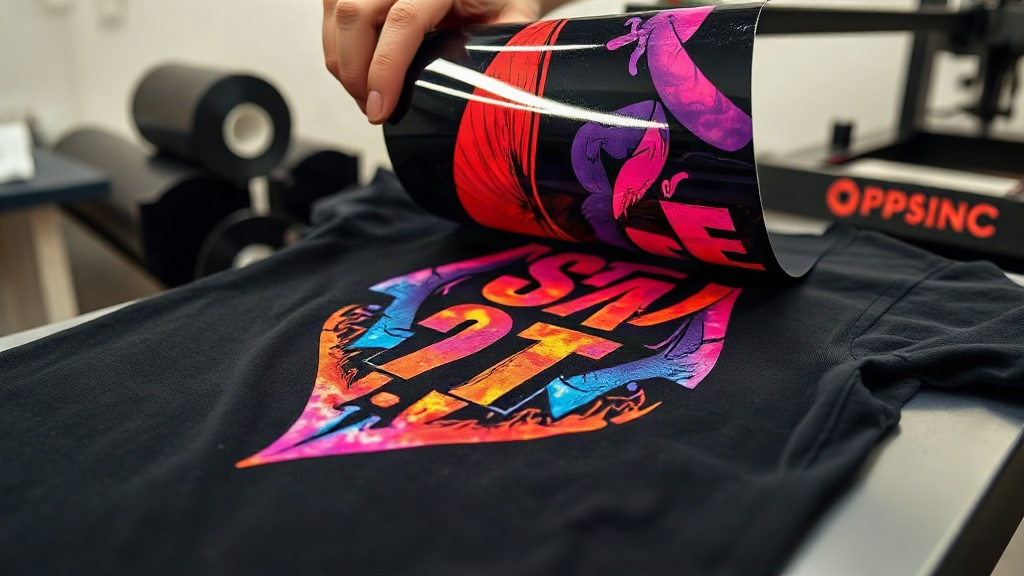
Imagine pressing a button and watching a complex, multicolored design transfer flawlessly onto a dark cotton t-shirt in under a minute. That's the promise of DTF transfers, a technology that has taken the custom apparel world by storm. Whether you're a small business owner looking to expand your product line or a DIY enthusiast wanting to create professional-grade merchandise, understanding DTF transfers is essential. This guide will walk you through the ins and outs of DTF printing, from the science behind it to practical tips that ensure stunning, long-lasting results.
What Are DTF Transfers?
DTF stands for Direct to Film. It's a printing method where your design is printed onto a special film, coated with a powder adhesive, and then heat-pressed onto the fabric. Unlike DTG (Direct to Garment) printing, which requires the garment to be pre-treated and printed directly, DTF transfers are printed separately and can be stored for later use. This decoupling of printing and application offers tremendous flexibility.
The process begins with a digital printer equipped with pigment-based inks. These printers lay down a layer of white ink, followed by CMYK colors, and sometimes a final white layer to create a white base. The printed film is then dusted with a thermoplastic powder while the ink is still wet. After shaking off the excess powder, the film is cured in an oven or with a heat press. Once cured, the transfer is ready to be applied to a wide range of fabrics.
Why DTF Transfers Are a Game-Changer
DTF transfers have several advantages that make them a preferred choice for many print shops and creators.
- Vibrant colors on any fabric: Because the design includes a white ink base, DTF transfers pop on dark colors and work well on light fabrics too. You can print bright, detailed designs without worrying about the garment color showing through.
- No pre-treatment required: Unlike DTG, DTF doesn't require you to pre-treat the garment with a special liquid. This saves time and eliminates a messy step.
- Versatility: DTF transfers adhere to cotton, polyester, blends, and even some leathers and nylons. This opens up possibilities for printing on items that were previously difficult, like canvas bags or denim jackets.
- Durability: When applied correctly, DTF transfers are highly durable. They stretch with the fabric and resist cracking and fading, even after multiple washes.
- Cost-effective for small batches: Since there's no need for screens or plates, DTF is economical for short runs and one-off designs. You can print a single transfer without incurring high setup costs.
DTF vs. Other Printing Methods
How does DTF stack up against other popular decoration techniques? Let's compare.
DTF vs. DTG
DTG prints directly onto the garment, which is great for 100% cotton and small details. However, DTG requires pre-treatment, and the results on dark shirts rely heavily on that pre-treatment. DTF, on the other hand, produces consistent results on dark colors without pre-treatment and works on more fabric types. DTF transfers also tend to have a slightly raised feel, while DTG can be softer. For shops that want to print on demand without pre-treating, DTF is often the winner.
DTF vs. Screen Printing
Screen printing is the gold standard for large orders of the same design. It's cost-effective at high volumes and offers unmatched durability. However, it requires separate screens for each color, making it impractical for complex, multicolor designs or small batches. DTF excels in these areas: no color limitations, no setup fees, and quick turnaround for short runs. Many shops use DTF for samples and small orders, and screen printing for bulk orders.
DTF vs. Vinyl
Heat transfer vinyl (HTV) is great for simple text and single-color logos. It's easy to use and widely available. But for detailed, full-color images, HTV becomes cumbersome because you have to layer multiple colors. DTF transfers can reproduce intricate designs with gradients and fine details in one go. Plus, DTF doesn't require weeding, saving hours of labor.
How to Apply DTF Transfers for Perfect Results
Applying DTF transfers is straightforward, but following best practices ensures a professional finish.
- Prepare your heat press: Set the temperature to around 325°F (160°C) for cotton and cotton blends. For polyester, lower to 300°F (150°C) to avoid scorching. Pre-press the garment for a few seconds to remove moisture and wrinkles.
- Position the transfer: Place the DTF transfer on the garment with the printed side facing up. The film backing should be on top.
- Press: Apply medium to firm pressure for 10-15 seconds. For larger transfers, you may need to press in sections to ensure even adhesion.
- Peel: DTF transfers can be peeled hot or cold. For best results, wait a few seconds for the transfer to cool slightly, then peel the film off in a smooth, continuous motion. If any part lifts, press again for a few seconds.
- Post-press (optional): For extra durability, cover the design with a Teflon sheet or parchment paper and press for another 5-10 seconds. This helps the adhesive fully bond.
Common Challenges and How to Overcome Them
Even with a reliable process, you might encounter issues. Here are some common problems and solutions.
- Transfer not adhering: This usually means insufficient pressure, temperature, or time. Increase one variable at a time and test. Also, ensure the garment is flat and free of wrinkles.
- Cracking or flaking: Over-pressing or stretching the transfer before it cools can cause cracks. Allow the transfer to cool completely before stretching. Also, use a lower temperature for polyester.
- Color fading: Washing inside out in cold water and avoiding harsh detergents will prolong the life of your DTF transfer. Avoid ironing directly on the design.
- Film peeling off with design: If the film pulls up the design, it means the transfer didn't cool enough. Wait longer before peeling, or press again for a few seconds and then peel.
Designing for DTF Transfers
To get the most out of DTF, keep these design tips in mind.
- Use high-resolution images: 300 DPI is recommended for crisp details.
- Consider the white base: Since DTF prints a white layer, your design will appear opaque. If you want a vintage or distressed look, you can adjust the opacity in your design software.
- Avoid very fine lines: Extremely thin lines may not reproduce well. Use a minimum line thickness of 0.5 points.
- Test on different fabrics: The same design may look slightly different on cotton vs. polyester. Always do a test print.
Is DTF Right for Your Business?
If you're a small business or a crafter, DTF transfers offer a low-barrier entry into custom apparel. The startup costs are moderate: you need a DTF printer, film, powder, and a heat press. However, you can also buy pre-printed DTF transfers from suppliers, which eliminates the need for a printer. This is ideal if you want to offer custom products without a large investment. For larger operations, in-house DTF printing can reduce costs and turnaround times. The versatility and quality of DTF make it a valuable addition to any decoration arsenal.
Frequently Asked Questions About DTF Transfers
How long do DTF transfers last?
With proper application and care, DTF transfers can last as long as the garment itself. They withstand 50+ washes without significant fading or cracking when washed inside out in cold water and tumble dried on low.
Can I apply DTF transfers to 100% polyester?
Yes, DTF works on polyester, but you need to lower the temperature to around 300°F (150°C) to prevent the polyester from melting or the transfer from scorching. Always test on a scrap piece first.
Do I need a special printer for DTF?
You can convert an existing inkjet printer to DTF by using DTF inks and film, but dedicated DTF printers are recommended for best results. Alternatively, you can order pre-printed transfers from a supplier.
What is the difference between DTF and DTG?
DTF involves printing on a film and transferring it to the garment, while DTG prints directly onto the garment. DTF requires no pre-treatment and works on more fabrics, while DTG is limited to cotton and requires pre-treatment for dark shirts.
Can I stretch DTF transfers?
DTF transfers have some stretchability, but they are not as elastic as the fabric itself. When applied to stretchy fabrics, the transfer may crack if stretched excessively. For best results, avoid overstretching the printed area.