
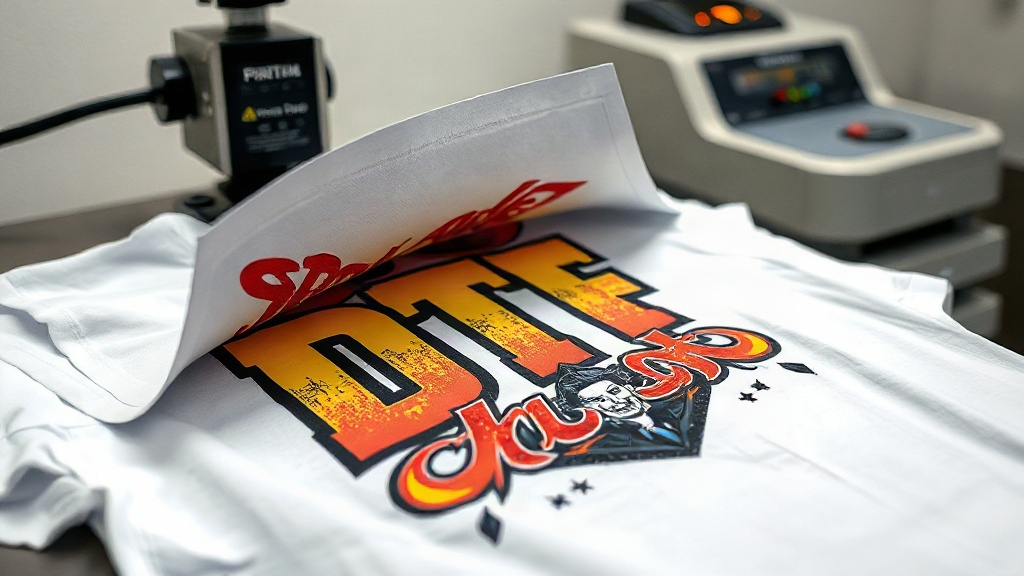
In the world of custom apparel, DTF transfers have quickly become a game-changer. Unlike traditional methods that require weeding, masking, or specialized equipment, DTF (Direct to Film) printing offers a streamlined approach that delivers stunning, full-color designs on virtually any fabric. Whether you're a small business owner, a hobbyist, or a professional printer, understanding DTF transfers can open up a new realm of possibilities for your creations.
What Are DTF Transfers?
DTF transfers are a type of heat-applied decoration where your design is printed onto a special film using water-based pigments. The printed film is then coated with a hot-melt adhesive powder, dried, and can be stored until ready to use. When you're ready to apply, you simply place the transfer on your garment and press with a heat press. The result is a vibrant, durable print that bonds permanently to the fabric.
The process involves several key steps: designing your artwork, printing it onto the DTF film (usually with a modified inkjet printer), applying the adhesive powder, and curing the powder. The transfer is then ready to be heat-pressed onto a substrate. This method eliminates the need for cutting and weeding, making it incredibly efficient for complex designs.
Why Choose DTF Transfers Over Other Methods?
DTF transfers offer a unique set of advantages that set them apart from vinyl, screen printing, and DTG (Direct to Garment). Here's why many professionals are making the switch:
- No Weeding Required: Unlike heat transfer vinyl (HTV), DTF transfers don't require you to cut and weed intricate details. This saves hours of labor, especially for multi-color or detailed designs.
- Works on Almost Any Fabric: From cotton and polyester to blends, leather, and even nylon, DTF transfers adhere well to a wide range of materials. This versatility is unmatched by DTG, which typically requires high cotton content.
- Vibrant, Full-Color Prints: DTF printers use CMYK plus white ink, allowing for bright, opaque colors even on dark garments. You can achieve photographic-quality images without the limitations of layered vinyl.
- Durability: When applied correctly, DTF transfers are highly durable. They resist cracking, peeling, and fading, even after multiple washes. The prints remain soft to the touch and stretch with the fabric.
- Cost-Effective for Short Runs: Unlike screen printing, which requires setup costs per color, DTF transfers are economical for small batches. You can print one-off designs without breaking the bank.
The DTF Transfer Process Step by Step
Understanding the workflow of DTF transfers is essential for achieving professional results. Here's a detailed breakdown:
1. Design Preparation
Start with your artwork in a digital format. Ensure your design is high-resolution (300 DPI recommended) and in CMYK color mode. If your design has transparent areas, they will remain unprinted. Remember that DTF transfers can handle fine lines and gradients beautifully, so don't shy away from detailed graphics.
2. Printing
Using a DTF printer (often a converted Epson or similar), you'll print your design onto a special PET film. The printer lays down a layer of white ink first (if needed for opacity), followed by the color inks. Some printers also print a white layer on top to enhance vibrancy. The film is then dusted with a hot-melt adhesive powder, which is shaken off to leave an even coating.
3. Curing
The powdered film is then cured in an oven or with a heat gun until the powder melts and becomes glossy. This step is crucial; under-curing can lead to poor adhesion, while over-curing can cause the film to warp. Follow your powder's specifications for temperature and time.
4. Heat Application
To apply the transfer, preheat your heat press to the recommended temperature (usually 300-350°F). Place the transfer on the garment with the printed side up, cover with a protective sheet, and press for 10-15 seconds with medium pressure. After pressing, allow the garment to cool completely before peeling the film. You can peel it either hot or cold, depending on the film type; cold peel is more common for DTF.
Common Applications of DTF Transfers
DTF transfers are incredibly versatile and can be used for a wide range of items:
- T-shirts, hoodies, and sweatshirts
- Tote bags and backpacks
- Canvas shoes and sneakers
- Denim jackets and jeans
- Sportswear and uniforms
- Promotional items like caps and aprons
Because DTF transfers don't require a specialized surface, you can decorate items that would be challenging with other methods, such as those with zippers or seams.
Tips for Flawless DTF Transfers
To ensure your DTF transfers look professional and last long, keep these tips in mind:
- Choose Quality Supplies: Not all DTF films and powders are created equal. Invest in reputable brands to avoid issues like clogged printers or poor adhesion.
- Maintain Your Printer: Regular cleaning and maintenance of your DTF printer are vital. Clogged nozzles can ruin prints and waste materials.
- Control Humidity: DTF powder is hygroscopic, meaning it absorbs moisture from the air. Store it in an airtight container and work in a low-humidity environment to prevent clumping.
- Test Your Settings: Every heat press and garment combination may require slight adjustments. Always do a test press on a scrap piece before committing to a full order.
- Proper Storage: Store unused transfers in a cool, dry place away from direct sunlight. They can last for months if stored correctly.
DTF vs. Other Printing Methods: A Quick Comparison
How does DTF stack up against other popular decoration methods? Here's a side-by-side look:
- DTF vs. HTV: DTF wins for complex, multi-color designs due to no weeding. HTV is better for simple one-color logos and has a wider range of specialty finishes (glitter, metallic).
- DTF vs. DTG: DTF works on more fabrics and produces more vibrant colors on dark shirts. DTG is faster for direct printing but requires pre-treatment and is limited to cotton-rich fabrics.
- DTF vs. Screen Printing: Screen printing is more cost-effective for large orders of simple designs. DTF excels for small batches, detailed art, and on-demand printing.
Ultimately, the best method depends on your specific needs, but DTF transfers offer a compelling combination of versatility, quality, and efficiency.
Frequently Asked Questions About DTF Transfers
How long do DTF transfers last?
With proper application and care, DTF transfers can last as long as the garment itself. They withstand 50+ washes without significant fading or cracking when washed inside out in cold water and tumble dried low.
Can I use DTF transfers on dark colors?
Absolutely! DTF transfers are excellent for dark fabrics because the white ink layer provides a bright base, making colors pop. This is a major advantage over DTG, which may require multiple passes.
Do I need a special printer for DTF?
Yes, you need a DTF printer, which is typically a modified inkjet printer that uses DTF inks and a white ink circulation system. However, you can also buy pre-printed transfers from suppliers if you don't want to invest in a printer.
What fabrics work best with DTF?
DTF transfers adhere well to cotton, polyester, blends, leather, and more. They are not recommended for fabrics with a heavy water-repellent coating or those that cannot withstand heat.
Can I stretch DTF prints?
Yes, DTF transfers have some elasticity and will stretch with the fabric without cracking. However, extreme stretching may cause the print to distort over time.
DTF transfers are transforming the custom apparel industry by making high-quality, full-color printing accessible to everyone. Whether you're creating custom t-shirts for your team or launching a clothing line, DTF technology offers a reliable and impressive solution. With the right knowledge and tools, you can achieve professional results that delight your customers and elevate your brand.