
If you've been exploring custom apparel printing, you've likely come across DTF transfers. This technology has quickly become a favorite among small business owners, crafters, and DIY enthusiasts for its versatility and vibrant results. Unlike traditional methods that require specific fabrics or complex setups, DTF transfers offer a straightforward way to bring detailed, colorful designs to life on almost any garment. In this guide, we'll walk you through what DTF transfers are, how they compare to other techniques, and how you can use them to create professional-looking apparel right from your home studio.
What Are DTF Transfers?
DTF stands for Direct to Film. It's a printing method where your design is printed onto a special film, coated with a powder adhesive, and then heat-pressed onto the fabric. The process begins with a digital printer that lays down CMYK inks plus white ink onto a PET film. The white ink acts as a base, allowing the colors to pop on both light and dark garments. After printing, a hot-melt powder is applied to the wet ink, which will later bond the design to the fabric.
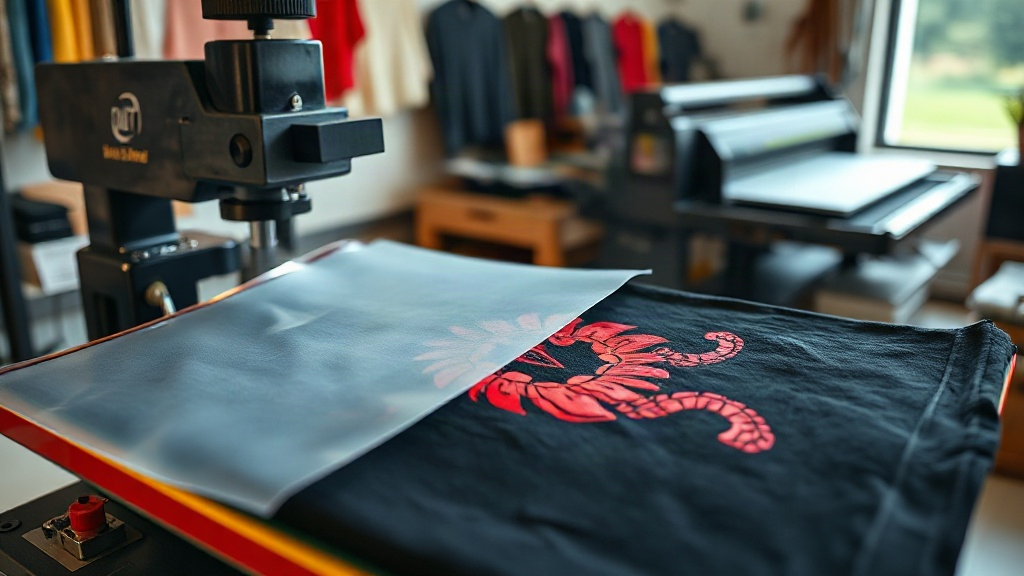
Once the film is prepared, you can store it for later use or immediately transfer it using a heat press. The film is placed on the garment, and heat and pressure are applied. The adhesive melts, fusing the design to the fabric. After cooling, you peel away the film, leaving a soft, stretchable print that feels like part of the garment. This method is celebrated for its ability to produce fine details, gradients, and photographic images without the constraints of screen printing or the limitations of vinyl cutting.
Why Choose DTF Transfers Over Other Methods?
When you're deciding on a decoration method, several factors come into play: cost, durability, fabric compatibility, and design complexity. DTF transfers excel in many areas, making them a strong contender for both small and large runs.
Fabric Versatility
One of the biggest advantages of DTF transfers is that they work on a wide range of fabrics. Cotton, polyester, blends, and even treated nylon can all receive a DTF transfer. This is a game-changer if you want to print on moisture-wicking athletic wear, which typically repels other types of transfers. You're not limited to 100% cotton like you are with some other methods.
No Weeding Required
If you've ever worked with heat transfer vinyl (HTV), you know the tedious process of weeding out tiny details. With DTF transfers, there's no weeding. The printer handles all the cutting and layering digitally, so you can produce intricate designs with minimal labor. This saves time and reduces waste, especially for complex artwork.
Vibrant Colors and Fine Details
DTF transfers can reproduce full-color images with gradients, shadows, and fine lines. The white ink base ensures that colors remain vivid even on dark backgrounds. This makes DTF ideal for photo-realistic prints, detailed logos, and designs with many colors. Screen printing, by contrast, becomes expensive and impractical for multi-color jobs, while DTF handles them with ease.
Durability and Stretch
When applied correctly, DTF transfers are highly durable. They withstand repeated washing without cracking, peeling, or fading. The stretchability of the transfer means it moves with the fabric, making it suitable for stretchy materials like spandex blends. This is particularly important for athletic wear and fitted garments.
How to Apply DTF Transfers: Step-by-Step
Applying DTF transfers is straightforward, but following the right steps ensures a professional finish. Here's what you need to do:
- Preheat your heat press. Set the temperature to around 325°F (160°C) for most fabrics. Always check the transfer supplier's recommendations, as temperatures can vary.
- Pre-press the garment. This removes moisture and wrinkles, creating a smooth surface for the transfer. Press for 5-10 seconds.
- Position the transfer. Place the DTF transfer on the garment with the printed side facing up. If you're using a film with a clear carrier, the design should be readable.
- Press the transfer. Apply medium to firm pressure for 15-20 seconds. Use a Teflon sheet or parchment paper over the transfer to protect it.
- Peel the film. After pressing, wait a few seconds for the transfer to cool slightly. Then peel the film off in a smooth, consistent motion. For a matte finish, you can peel while hot; for a glossier look, wait until it's cold. Experiment to see what works best with your film.
- Post-press (optional). For added durability, you can press the design again for a few seconds with a Teflon sheet to smooth out any texture.
With practice, you'll be able to apply DTF transfers quickly and consistently, turning plain garments into custom pieces in minutes.
Common Challenges and How to Avoid Them
Even though DTF transfers are user-friendly, some issues can arise. Here are a few common problems and their solutions:
- Incomplete transfer: If parts of the design don't stick, it could be due to uneven pressure, insufficient temperature, or not enough time. Adjust your heat press settings and ensure even pressure across the platen.
- Cracking or peeling after washing: This often happens if the transfer wasn't pressed long enough or if the garment wasn't pre-pressed to remove moisture. Always follow the recommended settings and wash the garment inside out in cold water.
- Color bleeding or fading: Using low-quality transfers or improper storage can lead to fading. Store unused transfers in a cool, dry place away from direct sunlight.
- Film not peeling smoothly: If the film sticks or tears, it might be due to overheating or pressing for too long. Reduce the temperature or time slightly.
By troubleshooting these issues, you'll achieve consistent, high-quality results.
DTF Transfers vs. Other Printing Methods
To help you decide if DTF is right for your project, let's compare it to other popular methods.
DTF vs. Screen Printing
Screen printing is cost-effective for large orders of simple designs, but it requires separate screens for each color, making multi-color jobs expensive. DTF transfers have no setup costs per color and can handle complex designs without additional charges. For small to medium runs with detailed artwork, DTF is often more economical and faster.
DTF vs. DTG
Direct-to-garment (DTG) printing is another digital method that prints directly onto the fabric. DTG works best on 100% cotton and can produce soft prints, but it struggles with polyester and dark colors often require a pretreatment. DTF transfers, on the other hand, work on almost any fabric and don't require pretreatment, making them more versatile.
DTF vs. Vinyl
Heat transfer vinyl is great for simple, single-color designs and personalization. However, it requires weeding, which is time-consuming for intricate designs. DTF transfers eliminate weeding and can reproduce full-color images, making them superior for complex artwork.
Tips for Getting the Best Results with DTF Transfers
To ensure your DTF transfers look professional and last, keep these tips in mind:
- Choose quality transfers: Not all DTF transfers are created equal. Purchase from reputable suppliers who use high-quality inks and films. Cheap transfers may fade or crack prematurely.
- Store properly: Keep unused transfers in a sealed bag or container away from moisture and heat. This prevents the powder from absorbing moisture, which can affect adhesion.
- Test on scrap fabric: Before pressing onto a final garment, test your settings on a similar fabric to dial in the perfect temperature, pressure, and time.
- Use a heat press, not an iron: While you can use an iron in a pinch, a heat press provides consistent pressure and temperature, which are crucial for durable results.
- Wash with care: Turn garments inside out and wash in cold water. Avoid fabric softeners and dry on low heat to prolong the life of the transfer.
Frequently Asked Questions About DTF Transfers
Can I use DTF transfers on 100% polyester?
Yes, DTF transfers work well on polyester. In fact, they are one of the best options for polyester because they don't require the fabric to be cotton. The lower pressing temperature (around 300-325°F) helps prevent scorching or dye migration, which can be an issue with some other methods.
How long do DTF transfers last?
With proper application and care, DTF transfers can last as long as the garment itself. They are resistant to cracking, peeling, and fading. Following the washing instructions (cold water, inside out, no fabric softener) will maximize their lifespan.
Do I need a special printer for DTF transfers?
Yes, DTF printing requires a dedicated DTF printer that uses pigment inks and white ink. However, you can also purchase pre-printed DTF transfers from suppliers if you don't want to invest in a printer. This is a great option for small businesses or hobbyists who want to offer custom apparel without the upfront cost.
What is the difference between DTF and DTG?
DTF (Direct to Film) involves printing onto a film and then transferring to the garment, while DTG (Direct to Garment) prints directly onto the fabric. DTF works on more fabric types, including polyester and blends, and doesn't require pretreatment. DTG is typically limited to cotton and requires pretreatment for dark shirts.
Can I layer DTF transfers?
Yes, you can layer DTF transfers to create multi-dimensional designs. Press the first transfer, peel the film, then press the second transfer on top. Just be careful with the temperature and time for the second press to avoid disturbing the first layer.
DTF transfers have opened up a world of possibilities for custom apparel. Whether you're a small business owner looking to offer unique products or a DIY enthusiast wanting to personalize your wardrobe, DTF transfers provide a flexible, durable, and vibrant solution. With the right techniques and a bit of practice, you'll be creating stunning designs in no time.