
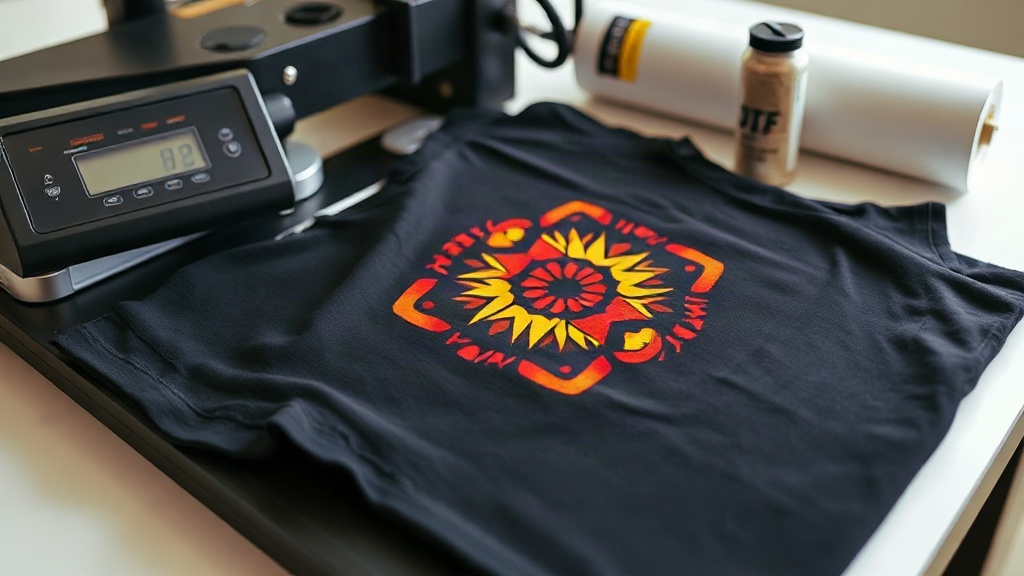
When you think about custom apparel printing, you might picture screen printing or heat transfer vinyl. But there's a newer technology that's changing the game: DTF transfers. Direct-to-film printing is quickly becoming the go-to method for creators, small businesses, and hobbyists who want professional-looking results without the hassle of traditional techniques. In this guide, I'll walk you through everything you need to know about DTF transfers, from how they work to why they might be the perfect fit for your next project.
What Are DTF Transfers?
DTF transfers are a type of heat-applied transfer that uses a special film and adhesive powder to bond printed designs to fabric. The process starts with a digital printer that prints your design onto a PET film using specialized inks. While the ink is still wet, a fine adhesive powder is applied, then cured. The result is a flexible, stretchable transfer that can be heat-pressed onto a variety of materials, including cotton, polyester, and blends.
Unlike other methods, DTF transfers don't require weeding or cutting. You simply print, powder, cure, and press. This makes them incredibly efficient for complex designs with fine details, gradients, and multiple colors.
How DTF Transfers Work: Step by Step
Understanding the process helps you get the best results. Here's a breakdown of each stage:
- Design Preparation: Create your artwork in a graphics program. Remember that DTF prints on a white base, so colors may appear slightly different than on screen. Always check a proof.
- Printing: A DTF printer lays down CMYK inks plus white ink onto a PET film. The white ink acts as a base, allowing the design to show up on dark garments.
- Powdering: While the ink is wet, a hot-melt adhesive powder is sprinkled over the print. The powder sticks to the ink.
- Curing: The film goes through a curing oven or heat press to melt the powder, creating a smooth, dry surface.
- Pressing: The transfer is placed on the garment and heat-pressed. After cooling, the film is peeled away, leaving the design bonded to the fabric.
Each step requires attention to detail, but once you dial in your settings, the process becomes second nature.
Why Choose DTF Transfers Over Other Methods?
There are several compelling reasons why DTF transfers have gained popularity:
- No Weeding: Say goodbye to the tedious task of cutting and weeding vinyl. DTF saves hours on intricate designs.
- Vibrant Colors: DTF printers can produce millions of colors, including gradients and photographic images, without the limitations of layered vinyl.
- Works on Many Fabrics: From 100% cotton to polyester and blends, DTF adheres well to most materials. It even works on treated nylon and leather.
- Durability: When applied correctly, DTF transfers withstand dozens of washes without cracking or fading.
- Cost-Effective for Short Runs: Unlike screen printing, which requires setup costs per color, DTF is economical for small batches and one-offs.
- Stretchability: The transfers stretch with the fabric, making them ideal for athletic wear and stretchy garments.
These benefits make DTF a versatile choice for both personal and commercial projects.
DTF Transfers vs. Other Printing Methods
How does DTF stack up against screen printing, DTG, and vinyl? Let's compare.
DTF vs. Screen Printing
Screen printing is excellent for large orders of simple designs, offering low cost per unit and a classic feel. However, it requires separate screens for each color, which adds setup time and expense. DTF shines for complex, multi-color designs and small runs, with no per-color fees.
DTF vs. DTG
Direct-to-garment (DTG) printing prints directly onto the fabric, which can be limiting on dark colors and certain fabrics. DTF uses a transfer, so it can be applied to a wider range of materials and produces more consistent results on dark garments.
DTF vs. Heat Transfer Vinyl
HTV is great for simple shapes and text, but weeding is time-consuming for detailed designs. DTF eliminates weeding and allows for full-color graphics. HTV can also feel thicker on the garment, while DTF is thinner and more flexible.
Each method has its place, but DTF offers a unique blend of versatility and efficiency.
Applications of DTF Transfers
DTF transfers are used in a variety of settings:
- Custom T-shirts: Perfect for personalized gifts, team uniforms, and merch.
- Sportswear: The stretchability makes DTF ideal for jerseys, leggings, and performance wear.
- Bags and Accessories: Add logos to tote bags, backpacks, and hats.
- Home Decor: Personalize pillows, blankets, and wall hangings.
- Corporate Apparel: Create branded workwear with detailed logos.
The possibilities are nearly endless.
Tips for Successful DTF Transfer Application
To get professional results, follow these best practices:
- Preheat the Garment: Remove moisture and wrinkles before pressing.
- Use the Right Pressure: Medium to firm pressure ensures even adhesion.
- Temperature and Time: Typically around 325°F for 15-20 seconds, but check your transfer supplier's recommendations.
- Peel Cool: Most DTF transfers are cool-peel, meaning you wait until the transfer is completely cool before removing the film.
- Post-Press: For added durability, press again for a few seconds with a protective sheet.
Always test on a scrap piece of fabric first to dial in your settings.
Common Mistakes to Avoid
Even experienced printers make mistakes. Here are some pitfalls:
- Insufficient Pressure: Leads to poor adhesion and early peeling.
- Too Much Heat: Can scorch the fabric or cause the transfer to become brittle.
- Not Pre-Pressing: Moisture can cause the transfer to lift.
- Peeling Too Soon: Hot peel can distort the design; always wait until cool.
- Using the Wrong Film: Ensure your film is compatible with your printer and ink.
By avoiding these, you'll achieve consistent, long-lasting results.
Frequently Asked Questions About DTF Transfers
How long do DTF transfers last?
With proper application and care, DTF transfers can last 50+ washes without significant fading or cracking. Following wash instructions (inside out, cold water, no bleach) extends their life.
Can I use DTF transfers on dark colors?
Absolutely. DTF transfers include a white ink base that makes colors pop on dark fabrics. This is one of their biggest advantages over DTG printing.
Do I need a special printer for DTF?
Yes, you need a DTF printer that uses DTF inks and a powder shaker. However, you can also buy pre-printed DTF transfers from suppliers if you don't want to invest in equipment.
Are DTF transfers stretchy?
Yes, DTF transfers are very stretchy and can be applied to stretchy fabrics like spandex and elastane without cracking.
What fabrics work best with DTF?
DTF works on cotton, polyester, blends, and even some synthetic fabrics. It's not recommended for fabrics with a heavy coating or waterproof finish.