
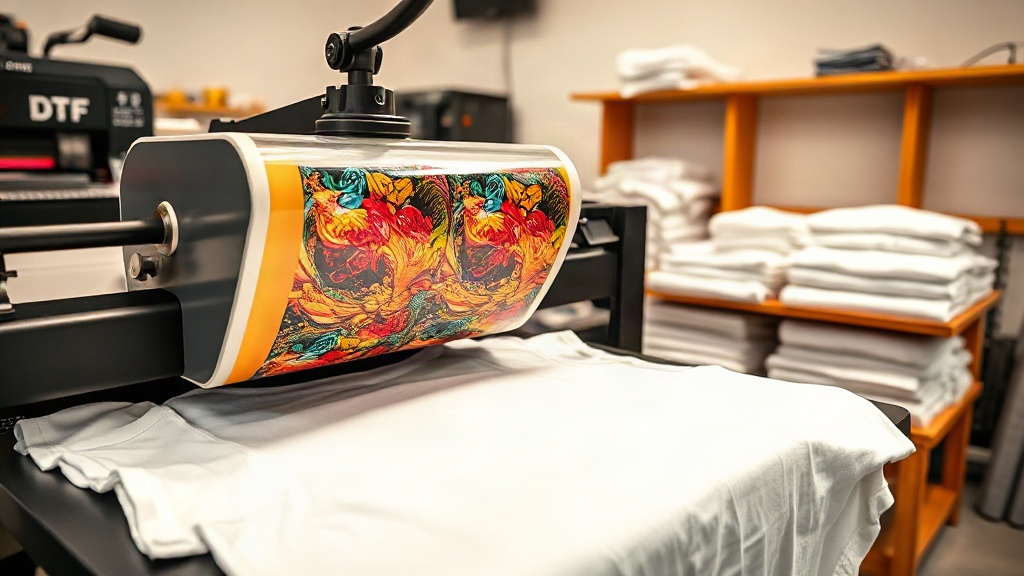
Imagine pressing a vibrant, full-color design onto a cotton t-shirt in minutes, with no weeding, no masking, and no color limitations. That's the promise of DTF transfers, a technology that has taken the custom apparel world by storm. Whether you're a small business owner, a hobbyist, or a professional printer, understanding DTF transfers can open up a new realm of possibilities for your creations.
What Are DTF Transfers?
DTF stands for Direct-to-Film. Unlike DTG (Direct-to-Garment) or sublimation, DTF transfers involve printing your design onto a special PET film, coating it with a adhesive powder, and then curing it. The result is a transfer that can be applied to a wide range of fabrics, including cotton, polyester, blends, and even leather. The process begins with a digital printer that lays down CMYK and white ink onto the film. The white ink acts as a base, allowing the colors to pop on dark garments. After printing, a powdered hot-melt adhesive is applied, and the film is heated to melt the powder. Once cooled, the transfer is ready to be pressed onto a garment using a heat press.
How DTF Transfers Differ from Other Methods
Traditional screen printing requires separate screens for each color, making multi-color jobs expensive and time-consuming. DTF transfers, on the other hand, can produce full-color images in a single pass, with no setup fees. Compared to vinyl cutting, DTF eliminates the tedious weeding process. And unlike DTG, DTF works on dark and light fabrics without pre-treatment, and it can be applied to non-cotton materials. This versatility makes DTF a game-changer for small businesses and on-demand printing.
The DTF Transfer Process Step by Step
Understanding the DTF process helps you appreciate the technology and achieve better results. Here's a breakdown of the key steps:
- Design Preparation: Create your artwork in a graphic design software. Ensure it's mirrored (flipped horizontally) before printing, as the transfer will be pressed face-down onto the garment.
- Printing: Load the DTF film into a DTF printer. The printer prints the design using CMYK inks, followed by a layer of white ink. The white ink is crucial for opacity on dark fabrics.
- Powdering: While the ink is still wet, apply the hot-melt adhesive powder evenly over the printed area. Shake off excess powder.
- Curing: Place the film in a curing oven or under a heat source to melt the powder. The powder should become glossy, indicating it's melted.
- Pressing: Set your heat press to the recommended temperature (usually around 300-320°F) and pressure. Press the transfer onto the garment for 10-15 seconds.
- Peeling: After pressing, wait for the transfer to cool completely (cold peel) or peel while hot (hot peel), depending on the film type. Most DTF transfers are cold peel.
Each step requires attention to detail. For instance, insufficient curing can lead to the design washing off, while too much pressure can cause the ink to spread.
Benefits of Using DTF Transfers
Why are DTF transfers gaining popularity? Let's explore the advantages:
- Versatility: DTF transfers adhere to a wide range of materials, including cotton, polyester, nylon, leather, and more. This means you can decorate almost any garment or accessory.
- No Color Limits: With DTF, you can print gradients, photographs, and intricate details without worrying about color separation or screen counts.
- Cost-Effective for Short Runs: There are no minimum order quantities or setup fees, making DTF ideal for small batches and personalized items.
- Durability: When applied correctly, DTF transfers are highly durable and can withstand repeated washing without fading or cracking.
- Soft Feel: Unlike some other methods, DTF transfers have a relatively soft hand feel, especially after the first wash.
- Speed: The process is fast, allowing for quick turnaround times, which is essential for on-demand businesses.
Applications of DTF Transfers
DTF transfers are used in a variety of settings. Custom t-shirt shops use them to create personalized apparel for events, teams, and businesses. Fashion designers use DTF to add intricate details to garments. Promotional product companies use DTF for corporate giveaways like tote bags and caps. Even home crafters use DTF to make gifts for family and friends. The possibilities are endless.
Tips for Successful DTF Transfers
To get the best results, keep these tips in mind:
- Choose the Right Film: Not all DTF films are created equal. Some are designed for hot peel, others for cold peel. Match the film to your workflow.
- Control Moisture: DTF film is sensitive to humidity. Store it in a dry environment and consider using a dehumidifier in your workspace.
- Preheat the Garment: Before pressing, preheat the garment for a few seconds to remove moisture and wrinkles. This improves adhesion.
- Use Consistent Pressure: Ensure your heat press applies even pressure. Too little pressure results in poor adhesion; too much can cause the design to spread.
- Test Your Settings: Every heat press is different. Test with a scrap garment to find the ideal temperature, pressure, and time.
- Wash Inside Out: To prolong the life of your DTF transfer, wash the garment inside out in cold water and avoid bleach.
Common Challenges and Solutions
Even with the best practices, you might encounter issues. Here are some common problems and how to fix them:
- Transfer Not Adhering: This could be due to insufficient pressure, incorrect temperature, or not enough powder. Increase pressure, check temperature, and ensure powder is applied evenly.
- Cracking or Fading: Often caused by under-curing or over-stretching the garment. Make sure the transfer is fully cured and avoid stretching the printed area.
- Color Bleeding: If the white ink layer is too thin, colors may appear dull on dark fabrics. Ensure your printer is laying down enough white ink.
- Film Jamming: This can happen if the film is not loaded correctly or if there's too much static. Check your printer's manual and use anti-static measures.
With practice, you'll be able to troubleshoot these issues quickly.
Frequently Asked Questions About DTF Transfers
What fabrics can DTF transfers be applied to?
DTF transfers can be applied to a wide range of fabrics, including cotton, polyester, cotton-poly blends, nylon, leather, and even some synthetic materials. They work well on both light and dark colors.
How long do DTF transfers last?
When applied correctly, DTF transfers can last as long as the garment itself. They are durable and can withstand multiple washes without fading or cracking. Proper washing (inside out, cold water) will extend their life.
Do I need a special printer for DTF transfers?
Yes, you need a DTF printer that uses DTF inks and can print white ink. However, you can also purchase pre-printed DTF transfers from suppliers if you don't want to invest in a printer.
Can I use a regular heat press for DTF transfers?
Yes, a standard heat press works for DTF transfers. You'll need to set the temperature to around 300-320°F and apply medium to heavy pressure for 10-15 seconds.
Is DTF printing cost-effective for small businesses?
Absolutely. DTF transfers have low startup costs and no minimum order requirements, making them ideal for small businesses, startups, and on-demand printing. You can produce one-off items or small batches profitably.
DTF transfers are a powerful tool in the world of custom apparel. With their versatility, durability, and ease of use, they offer a fantastic way to bring your creative ideas to life. Whether you're just starting out or looking to expand your offerings, DTF transfers are worth exploring.