
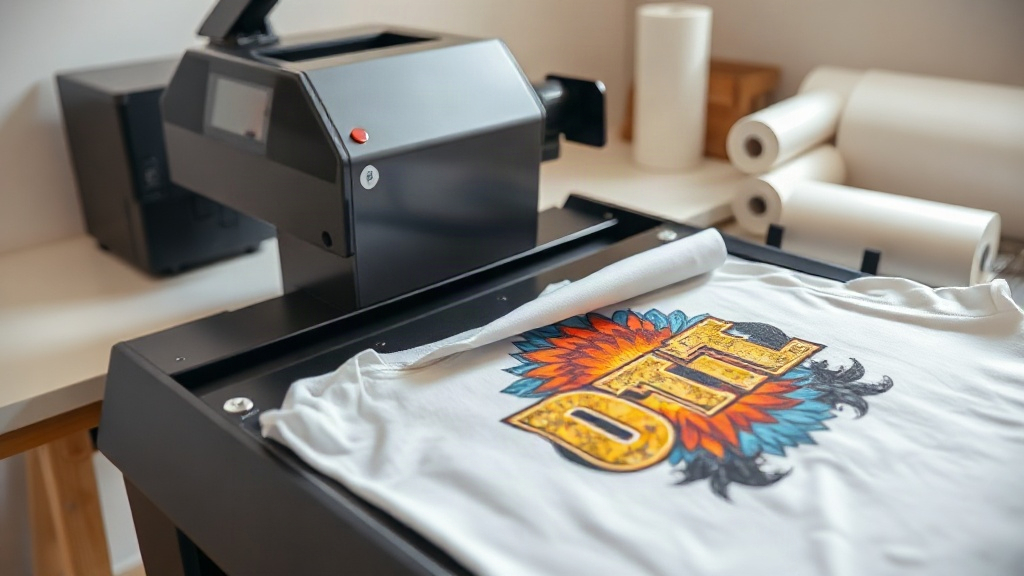
If you've been exploring custom apparel printing, you've likely encountered DTF transfers. This innovative technology is rapidly gaining popularity among hobbyists and professionals alike for its ability to produce vibrant, detailed designs on a wide range of fabrics. Unlike traditional methods, DTF transfers offer a streamlined workflow and stunning results that can elevate any garment. In this guide, we'll walk you through everything you need to know about DTF transfers, from the basics to advanced tips, so you can decide if this method is right for your next project.
What Are DTF Transfers?
DTF stands for Direct to Film. It's a printing process where your design is printed onto a special PET film using a DTF printer, then coated with a hot-melt adhesive powder. Once the powder is cured, the transfer is ready to be applied to fabric using a heat press. The result is a soft, stretchable, and durable print that adheres well to cotton, polyester, blends, and even treated nylon. DTF transfers are particularly loved for their ability to handle intricate details, gradients, and bright colors without the need for color separation or weeding.
How DTF Transfers Work: Step by Step
Understanding the DTF process can help you appreciate its simplicity and efficiency. Here's a breakdown of the key steps:
- Design Preparation: Create your artwork in a graphics program. Unlike screen printing, DTF doesn't require color separation; you can print full-color images directly.
- Printing: The design is printed onto a PET film using a DTF printer with specialized inks (usually CMYK plus white). The white ink layer is crucial for opacity on dark garments.
- Powder Application: While the ink is still wet, a hot-melt adhesive powder is sprinkled over the film. The excess powder is shaken off, leaving a thin layer adhered to the ink.
- Curing: The film is then heated to melt the powder, creating a dry, tack-free surface. This can be done in a curing oven or with a heat press.
- Transfer: The cured film is placed on the garment and pressed with a heat press at a specific temperature and pressure for a set time. After pressing, the film is peeled off (hot or cold peel, depending on the film type), leaving the design bonded to the fabric.
Why Choose DTF Transfers?
DTF transfers offer several compelling advantages over other decoration methods:
- Versatility: Works on a wide range of fabrics, including cotton, polyester, blends, and even some synthetics. No need for pre-treatment.
- Vibrancy: Produces bright, opaque colors even on dark garments, thanks to the white ink base.
- Detail: Excellent for complex designs with fine lines, gradients, and photographic images.
- Durability: When applied correctly, DTF prints resist cracking, peeling, and fading, lasting through many washes.
- Efficiency: No weeding or color separation saves time, making it ideal for small batches and on-demand printing.
- Cost-Effective: Lower startup costs compared to screen printing or DTG, especially for short runs.
Applications of DTF Transfers
DTF transfers are used across various industries and personal projects. Common applications include:
- Custom T-shirts: Perfect for personalized tees with detailed graphics or photos.
- Sportswear: Team jerseys, athletic wear, and performance fabrics benefit from DTF's stretchability.
- Corporate Apparel: Branded uniforms and promotional items with logos and slogans.
- Fashion: High-end garments with intricate prints and small-batch collections.
- Merchandise: Bags, hats, and accessories that require durable, vibrant designs.
DTF vs. Other Printing Methods
How does DTF stack up against screen printing, DTG, and vinyl? Here's a quick comparison:
- Screen Printing: Better for large orders of simple designs; DTF wins for complex, multi-color designs and small batches.
- DTG (Direct to Garment): DTG requires pre-treatment and works best on 100% cotton; DTF works on more fabrics and often has better durability.
- Vinyl (HTV): Vinyl is great for simple shapes and text but limited in detail and color; DTF handles full-color images effortlessly.
Getting Started with DTF Transfers
If you're ready to dive into DTF, here's what you'll need:
- DTF Printer: Options range from converted Epson printers to dedicated DTF machines. Research models that fit your budget and volume.
- DTF Inks: Use high-quality DTF inks designed for your printer. Cheap inks can clog printheads and produce poor results.
- PET Film: Choose film thickness appropriate for your design. Thinner films for fine details, thicker for bold blocks.
- Adhesive Powder: Available in fine or coarse grades. Fine powder is better for detailed prints.
- Heat Press: A reliable heat press with accurate temperature and pressure control is essential.
- Curing Oven (Optional): For larger operations, a curing oven speeds up the powder melting process.
Start with a small setup and practice. Watch tutorials, join DTF communities, and experiment with different fabrics and settings to master the craft.
Tips for Successful DTF Transfers
To ensure your DTF transfers turn out perfectly every time, keep these tips in mind:
- Preheat the Garment: Remove moisture and wrinkles before pressing to improve adhesion.
- Use the Right Pressure: Too little pressure causes poor adhesion; too much can cause ink to spread. Aim for medium to high pressure.
- Temperature Matters: Follow the film manufacturer's recommendations. Typically, 300-320°F (150-160°C) for 10-15 seconds.
- Peel Test: After pressing, wait for the recommended time (hot or cold peel) and peel slowly. If the design lifts, press again.
- Wash Care: Wait 24 hours before washing. Turn garment inside out, use cold water, and avoid bleach and fabric softeners to extend print life.
Common Challenges and Solutions
Like any printing method, DTF has its quirks. Here are some common issues and how to fix them:
- Clogged Printheads: Regular maintenance and using quality inks prevent clogs. Run daily nozzle checks.
- Poor Adhesion: Ensure proper pressure, temperature, and time. Also, check that the powder is fully cured.
- Color Fading: Use high-quality inks and follow wash care instructions.
- Film Curling: Store film flat and in a dry environment. Curling can cause printing errors.
Frequently Asked Questions
How long do DTF transfers last?
With proper application and care, DTF transfers can last as long as the garment itself. They resist cracking and fading through numerous washes.
Can I use DTF transfers on 100% polyester?
Yes, DTF works well on polyester. However, because polyester is heat-sensitive, use lower temperatures (around 280-300°F) and shorter press times to avoid scorching.
Do I need a special printer for DTF?
You can convert a standard inkjet printer (like certain Epson models) to use DTF inks, or purchase a dedicated DTF printer. Dedicated printers offer better reliability and output quality.
What is the difference between hot peel and cold peel DTF film?
Hot peel film allows you to remove the carrier sheet immediately after pressing while the transfer is still hot. Cold peel requires you to wait until the transfer cools completely before peeling. The choice depends on the film type and desired finish.
Is DTF transfer cost-effective for small orders?
Absolutely. DTF transfers have low setup costs and no minimum order quantity, making them ideal for small batches and one-off custom items.
DTF transfers are a game-changer in the world of custom apparel. With their versatility, vibrant results, and ease of use, they empower creators to bring their designs to life on a wide range of fabrics. Whether you're a hobbyist or a growing business, mastering DTF can open up new creative and commercial opportunities. So why not give it a try? Your next custom masterpiece is just a transfer away.