
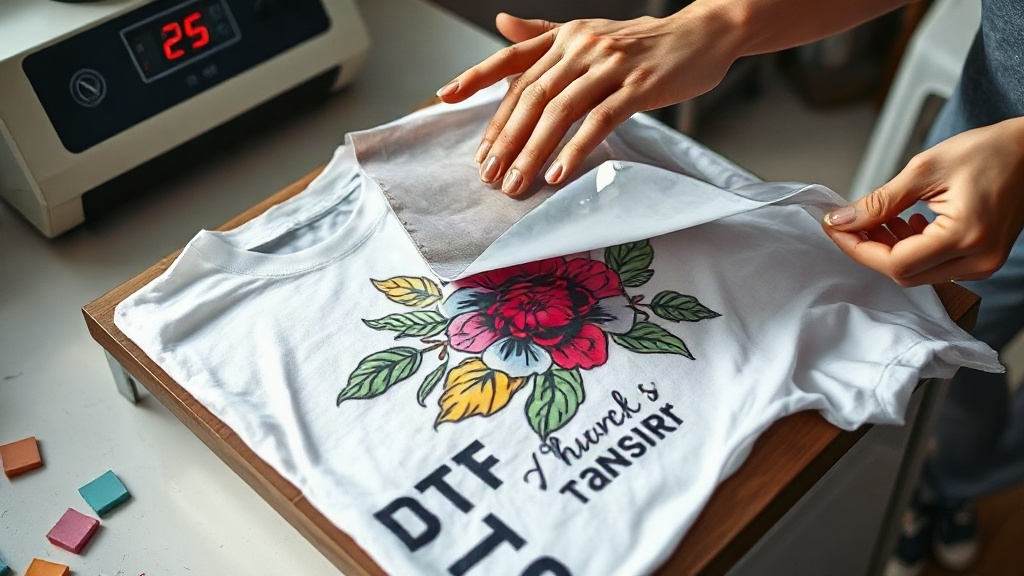
Imagine pressing a button and watching a design with hundreds of colors and fine details transfer flawlessly onto a cotton t-shirt. That's the magic of DTF transfers, a digital printing technology that's taking the custom apparel world by storm. Unlike traditional methods that limit your palette or require special fabrics, DTF (Direct to Film) opens up a universe of creative possibilities. Whether you're a small business owner, a hobbyist, or a professional printer, understanding DTF transfers can elevate your game and unlock new revenue streams.
What Are DTF Transfers?
DTF transfers are printed designs on a special film that are then heat-pressed onto fabric. The process uses water-based inks and a thermoplastic powder adhesive to create a transfer that bonds permanently to the material. The key difference from other transfer methods is that DTF doesn't require weeding or pre-treatment of the fabric, making it incredibly efficient. The prints are known for their soft feel, high elasticity, and ability to hold up wash after wash.
The DTF Printing Process Explained
To create a DTF transfer, you start with a digital design. The printer lays down a layer of white ink as a base, followed by CMYK inks to build the colors. Then, a fine layer of hot-melt powder is applied while the ink is still wet. This powder adheres to the ink and becomes the adhesive when heat is applied. The film is then cured, and it's ready to be pressed onto a garment. The entire process can be done in-house with a DTF printer, which has become increasingly affordable for small operations.
Why Choose DTF Transfers Over Other Methods?
If you've tried screen printing or vinyl, you know their limitations. Screen printing is cost-effective for large orders but expensive for small runs and multi-color designs. Vinyl is great for simple one-color logos but can't handle complex images. DTF transfers bridge the gap, offering full-color printing without minimums, making them perfect for print-on-demand and personalized items.
- No color limits: Print gradients, photographs, and intricate patterns with ease.
- Works on various fabrics: Cotton, polyester, blends, and even some leathers and nylons.
- Durable and stretchable: The prints won't crack or peel easily and move with the fabric.
- Cost-effective for short runs: No setup fees or minimum order quantities.
- Fast turnaround: From design to finished product in minutes.
Comparing DTF to DTG and Vinyl
Direct-to-garment (DTG) printing is another popular method, but it requires pre-treatment and works best on 100% cotton. DTF, on the other hand, adheres to a wider range of fabrics without pretreatment. Vinyl transfers are limited to one or two colors and require weeding, which is time-consuming. DTF offers the best of both worlds: the detail of DTG and the versatility of vinyl, without the drawbacks.
DTF vs. Sublimation
Sublimation is fantastic for polyester, but it doesn't work on cotton because the ink needs to bond with polyester molecules. DTF can print on cotton and blends, making it a go-to for those who want vibrant prints on natural fabrics. Plus, sublimation requires special paper and inks, while DTF uses a simpler film and powder system.
How to Apply DTF Transfers: Step-by-Step
Applying a DTF transfer is straightforward, but following the correct steps ensures a professional finish. Here's how to do it:
- Preheat your heat press: Set the temperature to around 300-320°F (150-160°C).
- Prepare the garment: Place it on the press and pre-press for a few seconds to remove moisture and wrinkles.
- Position the transfer: Place the DTF film on the garment with the printed side facing up.
- Press: Apply medium to firm pressure for 10-15 seconds.
- Peel: Wait for the transfer to cool completely (cold peel) before removing the film. This ensures the adhesive sets properly.
- Post-press: For extra durability, cover with a Teflon sheet or parchment paper and press again for 5-10 seconds.
Always test on a scrap piece of fabric first to dial in your press settings. Different fabrics and transfer sizes may require slight adjustments.
Design Tips for Stunning DTF Transfers
The beauty of DTF is that you can print almost any design, but a few best practices will make your transfers pop:
- Use high-resolution images: At least 300 DPI to avoid pixelation.
- Incorporate white underbase: Essential for vibrant colors on dark fabrics.
- Avoid very fine lines: Although DTF handles detail well, extremely thin lines may not adhere as strongly.
- Consider the fabric color: DTF prints are opaque, but on dark colors, a white base is necessary.
- Test different fabrics: Each fabric may affect the feel and durability, so experiment.
Common Mistakes to Avoid with DTF Transfers
Even seasoned printers can run into issues. Here are pitfalls to watch for:
- Insufficient pressure: Leads to poor adhesion and early peeling.
- Wrong temperature: Too low and the powder won't melt; too high and the film may scorch.
- Peeling too soon: Always cold peel for DTF; hot peel can distort the design.
- Not pre-pressing: Moisture in the fabric can cause the transfer to lift.
- Using expired film: Old film may not release the ink properly.
Frequently Asked Questions About DTF Transfers
Can I use DTF transfers on dark-colored shirts?
Absolutely! DTF transfers include a white ink layer that acts as a base, so colors remain vibrant on dark fabrics. Just ensure your design has enough white underbase where needed.
How long do DTF transfers last?
With proper application and care, DTF prints can last as long as the garment itself. They withstand dozens of washes without fading or cracking. Turn the garment inside out and wash in cold water to maximize longevity.
Do I need a special printer for DTF transfers?
Yes, you need a DTF printer that uses DTF inks and film. However, many converted Epson printers are available, and dedicated DTF printers have become more affordable. Alternatively, you can outsource your transfers to a DTF service.
What fabrics work best with DTF transfers?
DTF works on a wide range of fabrics including cotton, polyester, blends, canvas, and denim. It's not ideal for fabrics with heavy coatings or waterproof treatments, as the adhesive may not bond.
Is DTF printing cost-effective for small businesses?
Yes, especially for short runs and personalized items. There are no minimums or setup costs, and the cost per print is reasonable. As your volume grows, you can invest in a printer to reduce costs further.
Final Thoughts
DTF transfers are a game-changer for anyone in the custom apparel industry. They offer unparalleled versatility, durability, and color vibrancy. By mastering the application process and avoiding common mistakes, you can produce professional-quality garments that impress customers. Whether you're just starting out or looking to expand your services, DTF transfers are a worthy addition to your toolkit.