
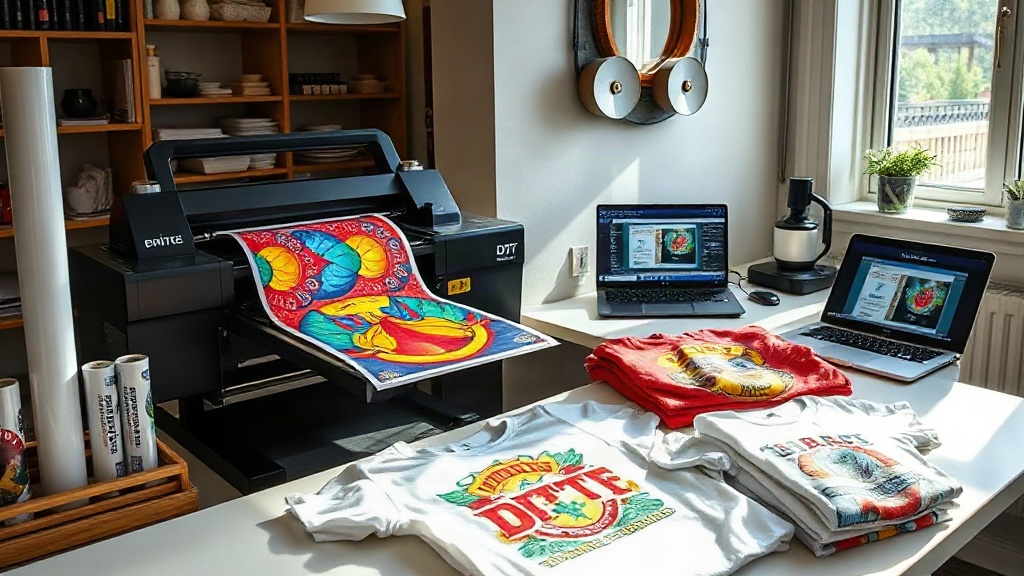
When you're running a print-on-demand business, choosing the right printing method can make or break your customer satisfaction. DTF printing, which stands for Direct-to-Film, has quickly become a game-changer for entrepreneurs who want to offer high-quality, full-color designs without the hassle of inventory. Unlike traditional methods that require specific fabrics or minimum orders, DTF opens up a world of possibilities for creating custom apparel that stands out. In this guide, I'll share what I've learned from using DTF in my own POD shop, from the basics to advanced tips that can help you avoid common pitfalls and impress your customers.
What Is DTF Printing and Why It Matters for Print on Demand
DTF printing is a digital printing technique where your design is printed onto a special film, coated with adhesive powder, and then heat-pressed onto the fabric. This process allows for intricate details and vibrant colors that rival screen printing, but without the setup costs. For print-on-demand sellers, this means you can offer a wide range of products, from t-shirts to hoodies, without holding stock. The flexibility is unmatched: you can print on demand, one item at a time, and still achieve professional results.
One of the biggest advantages of DTF is its compatibility with various materials. Unlike DTG (Direct-to-Garment) which works best on 100% cotton, DTF adheres well to cotton, polyester, blends, and even leather. This versatility means you can expand your product line without investing in multiple printing technologies. Plus, the prints are durable and stretch with the fabric, reducing cracks and fading over time.
The Step-by-Step DTF Printing Process for POD
Understanding the workflow is crucial to integrating DTF into your print-on-demand operations. Here's how it typically goes:
- Design Preparation: Create your artwork in a graphic design software. Ensure it's mirrored (flipped horizontally) before printing, as the film will be transferred face down. Use high-resolution images (300 DPI) for crisp results.
- Printing on Film: Load the DTF film into your printer. Most DTF printers use pigment inks (CMYK plus white). The white ink layer is crucial for opacity on dark fabrics. Print the design onto the film.
- Powder Application: While the ink is still wet, sprinkle hot-melt adhesive powder over the print. Shake off excess powder, then cure the film in an oven or with a heat press to melt the powder. This creates a adhesive layer that bonds to the fabric.
- Heat Press Transfer: Place the film onto the garment with the design facing up. Heat press at around 160°C (320°F) for 15-20 seconds with medium pressure. Let it cool, then peel off the film. For a softer feel, you can press again for a few seconds after peeling.
Each step requires attention to detail. For instance, if you under-cure the powder, the design may wash off. Over-curing can cause the film to warp. I learned this the hard way when my first batch of shirts faded after a few washes. Now I always test my settings on scrap fabric before a big order.
Key Benefits of DTF for Your Print-on-Demand Business
Why should you consider DTF over other printing methods? Here are the main benefits:
- No Minimum Orders: Print one or one hundred, making it perfect for on-demand fulfillment.
- Vibrant Colors: Achieve photo-realistic prints with fine details, gradients, and even photographs.
- Fabric Versatility: Works on cotton, polyester, blends, and more, so you can offer diverse products.
- Durability: Prints withstand repeated washing without cracking or peeling when done correctly.
- Cost-Effective: Lower startup costs compared to screen printing or DTG, with no need for separate screens or pretreatments.
These benefits make DTF an attractive option for small businesses and solo entrepreneurs. I've used it to fulfill orders for custom team jerseys, promotional hoodies, and even tote bags, all without keeping inventory.
Common Challenges and How to Overcome Them
While DTF is user-friendly, it's not without challenges. Here are a few issues you might encounter and how to solve them:
1. White Ink Clogging
White ink is thicker and can clog printer nozzles if not used regularly. To prevent this, run a daily maintenance cycle and agitate the white ink cartridge. I keep a small notebook to track my printer's maintenance schedule, which has saved me from costly downtime.
2. Powder Mess
Adhesive powder can get everywhere. Invest in a powder shaker or a dedicated workspace with a tray to contain the mess. Also, wear a mask to avoid inhaling particles.
3. Poor Adhesion
If the design peels after washing, it's likely due to insufficient pressure, temperature, or time during heat pressing. Always pre-press the garment to remove moisture, and use a heat press with even pressure. I recommend doing a wash test on a sample before selling.
Tips for Scaling Your DTF Print on Demand Business
Once you've mastered the basics, you can scale up. Here are some strategies:
- Invest in a Reliable Printer: Start with a dedicated DTF printer from brands like Epson or Roland. They handle white ink better and are built for frequent use.
- Automate Where Possible: Use software that integrates with your e-commerce platform to streamline order processing. Tools like Printful or Printify now offer DTF services, but doing it in-house gives you more control.
- Offer Niche Products: Go beyond t-shirts. DTF works on canvas bags, hats, and even shoes. I added custom pet bandanas to my shop, and they became a hit.
- Market Your Unique Designs: Use social media to showcase your vibrant prints. Share behind-the-scenes videos of the DTF process to build trust and excitement.
Remember, quality control is key. As you grow, consider hiring help for packaging and shipping so you can focus on design and production.
Frequently Asked Questions About DTF Printing
How long do DTF prints last?
When properly applied, DTF prints can last 50+ washes without significant fading or cracking. Always follow care instructions: wash inside out in cold water and avoid ironing directly on the print.
Can I use DTF on dark and light fabrics?
Yes, DTF works on both. The white ink layer provides opacity on dark fabrics, while on light fabrics, you can skip the white layer for a softer feel. Just adjust your design file accordingly.
What equipment do I need to start DTF printing?
You'll need a DTF printer, DTF film, hot-melt adhesive powder, a heat press, and a curing oven (or you can use a heat press for curing). A computer with design software is also essential. Total startup cost can range from $1,500 to $5,000 depending on the printer.
Is DTF better than DTG for print on demand?
It depends on your needs. DTF offers more fabric versatility and vibrant colors on dark garments, while DTG is simpler for 100% cotton and has a softer feel. Many POD sellers use both. I prefer DTF for its durability and ability to print on diverse materials.
Integrating DTF into your print-on-demand business can set you apart with high-quality, custom products that customers love. With the right approach and a bit of practice, you'll be creating stunning apparel in no time.