
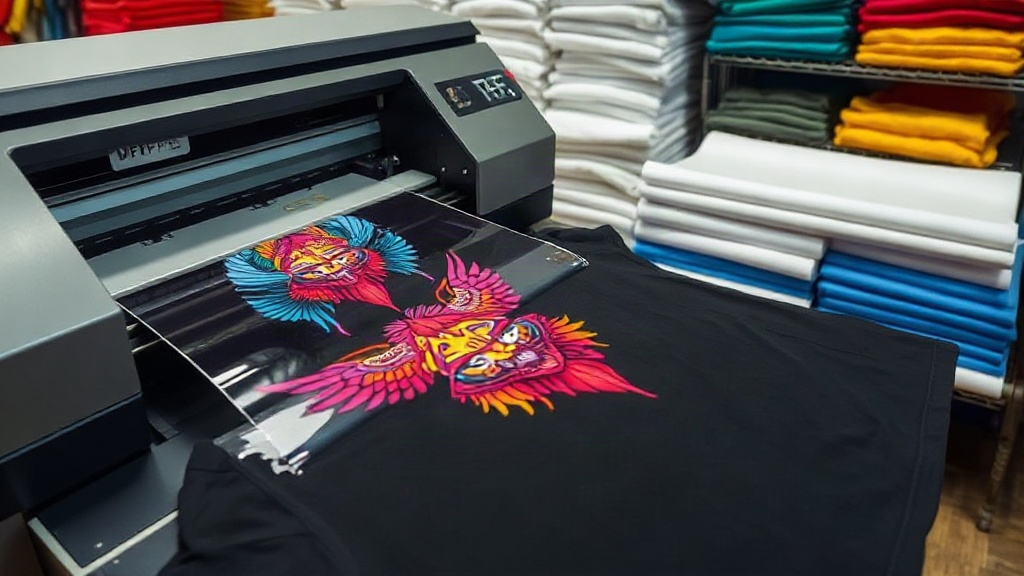
If you sell custom apparel online, you know that print quality can make or break your brand. Among the many decoration methods, DTF printing has quickly become a favorite for print on demand sellers who want vibrant colors, soft hand feel, and incredible durability. But what exactly is DTF, and why should you consider adding it to your production toolkit? This guide dives deep into the world of DTF printing, from the step-by-step process to expert tips that will help you stand out in a crowded market.
What Is DTF Printing?
DTF stands for Direct to Film. It's a printing technique where your design is printed onto a special PET film using water-based pigments, then coated with a hot-melt adhesive powder and cured. The resulting transfer is pressed onto the fabric with a heat press. Unlike DTG (Direct to Garment), DTF doesn't require pre-treatment and works on almost any fabric, including cotton, polyester, blends, and even nylon.
How Does the DTF Process Work?
The DTF workflow is straightforward but requires precision. Here's a breakdown:
- Design preparation: Create your artwork in a vector or high-resolution raster format. Remember to mirror the image for transfer.
- Printing: Use a DTF printer with CMYK plus white ink. The white layer acts as a base for vibrant colors on dark garments.
- Powdering: While the ink is still wet, apply hot-melt adhesive powder evenly over the print.
- Curing: Melt the powder using a heat source (oven or heat press) until it becomes glossy.
- Transfer: Place the film on your garment and press at 160°C (320°F) for 10-15 seconds.
- Peel: Remove the film while hot or cold, depending on the film type. Your design is now permanently bonded.
Why DTF Printing Is a Game-Changer for Print on Demand
Print on demand (POD) sellers face unique challenges: low minimums, diverse fabric types, and the need for quick turnaround. DTF addresses all these pain points.
1. Unmatched Versatility
With DTF, you can print on cotton, polyester, blends, and even treated nylon. This opens up a wider range of products, from t-shirts and hoodies to tote bags and caps. No more limiting your catalog to 100% cotton or white fabrics.
2. Vibrant Colors and Fine Details
DTF printers use high-opacity white ink, which allows for bright, saturated colors on dark backgrounds. The technology also captures fine lines and gradients beautifully, making it ideal for complex artwork.
3. Durability and Washability
When applied correctly, DTF transfers withstand dozens of washes without cracking, peeling, or fading. This is crucial for customer satisfaction and repeat business.
4. Cost-Effective for Small Batches
Unlike screen printing, DTF has no minimum order quantity. You can print one-offs or small batches without setup fees, perfect for the POD model.
DTF vs. DTG: Which Should You Choose?
Both methods have their place, but DTF often wins for POD sellers. Here's a quick comparison:
- Fabric compatibility: DTF works on almost any fabric; DTG primarily on cotton.
- Pre-treatment: DTF requires none; DTG needs pre-treatment for dark shirts.
- Color vibrancy: DTF offers more vibrant colors on dark garments due to white ink base.
- Durability: DTF transfers are generally more durable and stretch-resistant.
- Cost: DTF can be more cost-effective for small runs and complex designs.
That said, DTG might be preferable for very light, thin fabrics where a lighter hand feel is desired. Many sellers offer both to cover all bases.
Expert Tips for Mastering DTF Printing
Getting started with DTF is easy, but mastering it takes practice. Here are some tips from experienced printers:
Choose the Right Film and Powder
Not all films are created equal. Look for films with a consistent coating that release cleanly. For powder, fine-grain hot-melt adhesive works best for detailed designs.
Dial In Your Heat Press Settings
Temperature, pressure, and time are critical. Invest in a heat press with accurate temperature control. A common starting point is 160°C (320°F) for 15 seconds with medium pressure. Adjust based on your fabric and film.
Handle Garments with Care
After transfer, avoid stretching the print while it's hot. Allow it to cool completely before folding or packaging.
Test Washability
Before selling, wash a sample garment multiple times to ensure the transfer holds up. This simple step can save you from costly returns.
Common DTF Challenges and How to Overcome Them
Even seasoned printers run into issues. Here's how to troubleshoot the most common ones:
Faded or Dull Colors
This usually happens when the white ink layer is too thin, or the powder didn't adhere properly. Increase white ink density and ensure even powder application.
Peeling Transfers
Peeling often results from insufficient pressure or incorrect temperature. Check your heat press calibration and increase pressure if needed.
Sticky Residue on Film
If the film feels sticky after curing, it's under-cured. Increase curing time or temperature until the powder melts completely and becomes glossy.
Frequently Asked Questions About DTF Printing
What fabrics can I use with DTF printing?
DTF works on a wide range of fabrics, including cotton, polyester, cotton-poly blends, nylon, and even leather. It's one of the most versatile decoration methods available.
How long does a DTF transfer last?
With proper application and care, DTF transfers can last 50+ washes without significant fading or cracking. Always follow wash instructions: turn garment inside out, cold water, and tumble dry low.
Do I need a special printer for DTF?
Yes, you need a DTF printer that uses DTF inks (CMYK + white) and is designed for film printing. However, you can also buy pre-printed transfers from suppliers if you want to test the market before investing.
Is DTF printing eco-friendly?
DTF uses water-based inks and no harmful solvents, making it more environmentally friendly than some other methods. However, the film and powder do create waste, so proper disposal is important.
Can I use DTF on dark colors?
Absolutely! DTF excels on dark fabrics because the white ink layer provides a bright base for colors to pop. This is a major advantage over DTG, which requires pre-treatment for dark garments.
Final Thoughts
DTF printing is revolutionizing the print on demand industry by offering unmatched versatility, vibrant results, and durability. Whether you're a seasoned seller or just starting out, adding DTF to your production capabilities can open new doors and delight your customers. Remember to source quality supplies, fine-tune your process, and always test before scaling. With a bit of practice, you'll be creating stunning DTF transfers that keep customers coming back for more.