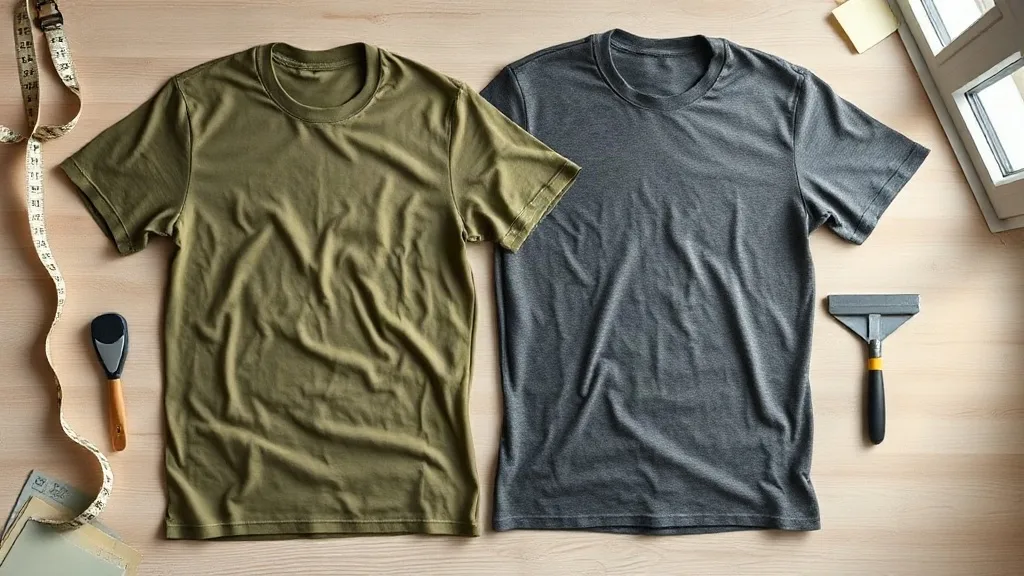
When you're sourcing blank tees for a custom apparel project, the choice between shaka wear and smart blanks can feel like splitting hairs. Both brands have carved out loyal followings in the streetwear and print-on-demand scenes, and both promise heavyweight cotton at accessible price points. But dig a little deeper and you'll find meaningful differences in fabric hand, fit, and how each brand performs under a screen printing press or embroidery machine. This comparison draws on hands-on experience with both lines across dozens of print runs, so you can make a more informed decision for your next drop.
Brand Background and Market Positioning
Shaka Wear built its reputation on oversized silhouettes and heavyweight cotton that holds its shape. The Los Angeles-based brand has become a go-to for streetwear labels that want a boxy, vintage feel without paying premium prices. Their tees are often described as "retail-ready" blanks because they look and feel like finished products straight out of the poly bag.
Smart blanks, on the other hand, positions itself as a value-focused alternative for decorators who need consistent quality at scale. The brand offers a broad catalog of basics, from tees to fleece, with an emphasis on color consistency and reliable sizing. While it may not have the same cult status as Shaka, Smart blanks has earned respect among screen printers for its predictable behavior during production runs.
Fabric Weight and Hand Feel
One of the first things you'll notice about shaka wear tees is their heft. Most styles clock in at 6.5 to 7.5 ounces per square yard, giving them a substantial, dense hand that drapes rather than clings. The cotton is typically combed and ring-spun, which translates to a smoother surface and less pilling over time. For anyone who remembers the heavyweight tees of the 1990s, Shaka's fabric feels like a deliberate throwback.
Smart blanks offers a range of weights, but their core tee sits around 5.5 to 6 ounces. That's lighter than Shaka's flagship, though still substantial enough for most printing techniques. The fabric has a slightly softer initial hand, which some wearers prefer for everyday comfort. However, after multiple wash cycles, Smart blanks tends to show more surface texture than Shaka, which maintains a smoother face longer.
Which Fabric Is Right for Your Project?
If you're producing heavyweight streetwear or want a tee that feels premium in the hand, shaka wear is the obvious choice. For budget-conscious projects or warm-weather markets where a lighter tee is more appropriate, smart blanks makes more sense. Consider your end user: a fashion-forward customer will likely appreciate the heft of Shaka, while a value-driven buyer may be perfectly happy with Smart blanks.
Fit and Sizing Consistency
Shaka's fits lean toward the oversized end of the spectrum. Their classic tee has a relaxed body, dropped shoulders, and a longer length that pairs well with modern streetwear aesthetics. If you're aiming for a boxy look, you may not need to size up. However, if your customers prefer a more traditional fit, you might need to adjust your size run or look at Shaka's other cuts.
Smart blanks follows a more standard retail fit. Their tees are neither aggressively slim nor excessively boxy, which makes them a safer choice for corporate events, team uniforms, and promotional giveaways. Sizing consistency across colors is generally good, though we've noticed minor variations between lighter and darker dyes, a common issue in garment-dyed blanks.
Printability and Decoration Performance
Both brands are designed with decoration in mind, but they behave differently under the press. Shaka wear tees have a tight knit that holds fine detail well in screen printing. The heavyweight fabric also provides a smooth canvas for embroidery, though the density means you'll need to adjust your stitch count and backing to avoid puckering.
Smart blanks tees are slightly more forgiving for beginners. The lighter fabric stretches a bit more, which can help when hooping for embroidery, but it also requires careful tension control during screen printing to avoid registration issues. Direct-to-garment (DTG) printing works well on both, though Shaka's tighter weave tends to yield sharper edges on photographic prints.
Tips for Printing on These Blanks
- For shaka wear, use a platen adhesive and moderate squeegee pressure to penetrate the dense knit without flooding.
- For smart blanks, pre-shrink garments before printing if you're using water-based inks, as the fabric may shrink slightly after the first wash.
- Always test print on a sample from the same dye lot, especially with dark colors.
Color Range and Availability
Shaka's palette focuses on earthy, muted tones and classic streetwear colors. You'll find plenty of blacks, olives, and faded blues, but don't expect a rainbow of neon shades. The brand's curated approach means fewer options but a more cohesive look across a collection.
Smart blanks casts a wider net, offering dozens of colors including brights and pastels. For promotional campaigns or seasonal collections that require a specific Pantone match, Smart blanks often has an edge in availability. That said, stock levels can fluctuate, so it's wise to order samples early and confirm lead times with your supplier.
Price and Value
At first glance, shaka wear sits at a slightly higher price point than smart blanks, but the gap narrows when you factor in durability. Shaka tees tend to withstand more wash cycles without losing shape or developing holes, which can reduce replacement costs for workwear or uniform programs. Smart blanks offers excellent value for one-off events or giveaways where longevity is less critical.
If you're building a brand that emphasizes quality and longevity, the higher upfront cost of Shaka may be justified. For high-volume, low-margin projects, Smart blanks delivers dependable results at a price that won't eat into your margins.
Common Questions About Shaka Wear and Smart Blanks
Is Shaka Wear true to size?
Shaka Wear tees generally run true to size, but their oversized cuts are intentionally roomy. If you prefer a fitted look, consider sizing down or exploring their other fits.
Are Smart Blanks good for screen printing?
Yes, Smart Blanks tees are widely used for screen printing. Their consistent fabric and reasonable price make them a popular choice for both small and large runs.
Which brand is better for embroidery?
Both work well, but Shaka's denser fabric provides a more stable base for embroidery. However, you'll need to adjust your backing and stitch density to avoid puckering on the heavier material.
Do Shaka Wear and Smart Blanks shrink after washing?
Both brands may experience minimal shrinkage, typically around 3-5% for cotton tees. Pre-washing or accounting for shrinkage in your sizing is recommended, especially for Smart Blanks.
Where can I buy Shaka Wear and Smart Blanks blanks?
You can find shaka wear and smart blanks at specialized blank suppliers and online retailers. Always check for authenticity and request samples before committing to a bulk order.