
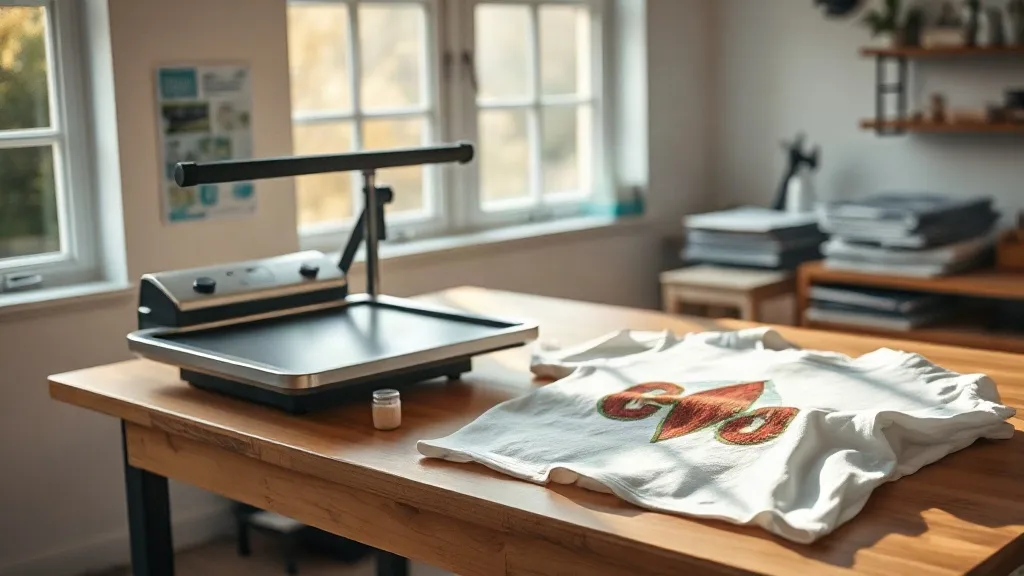
If you have spent any time around custom apparel, you have probably noticed a quiet shift. Small shops, side hustles, and even large brands are moving away from screens and vinyl cutters and toward dtf transfers. The reason is simple: you can print a full-color design with fine detail, tiny lettering, and gradients onto a single sheet, then press it onto cotton, polyester, blends, and even canvas without changing a thing. No color separations, no weeding, no minimum order of forty shirts.
That flexibility sounds almost too good, and it does come with trade-offs worth understanding before you commit. This guide walks through how DTF actually works, where it beats other decoration methods, and the small habits that separate a print that survives fifty washes from one that starts cracking after three.
What DTF Printing Actually Is
DTF stands for direct to film. A printer lays down water-based pigment inks onto a special PET film, mirroring your artwork. Before that ink dries, a layer of hot-melt adhesive powder is applied to the wet print, shaken off, and cured. The result is a flexible transfer sheet you can store, ship, or press whenever you need it.
When you are ready, you place the sheet onto a garment with the adhesive side down and press it with a heat press. The powder melts into the fabric fibers while the ink stays bonded to it. Once the sheet cools and peels away, the design is left on the shirt with a soft, slightly rubbery hand feel.
Because the film carries the design and the powder handles adhesion, dtf is not picky about fabric. That is the whole appeal. A cotton tee, a nylon jacket, and a 50/50 hoodie can all take the same transfer with the same settings, give or take a few degrees.
Where DTF Transfers Pull Ahead of Other Methods
Screen printing is still the king of cost-per-unit on large runs of one or two colors. But the moment your design has six colors, photographic shading, or a gradient, screen printing gets expensive and slow to set up. DTF sidesteps that entirely.
Full color without setup costs
A twenty-color design costs exactly the same to print as a one-color design. There are no screens to burn, no setup fees, and no per-color charges. For a small brand testing new artwork, that changes the math on what is worth trying.
No minimums and no wasted inventory
You can print one transfer or a hundred. That means a one-off gift, a sample for a client, or a small batch for a market stall all work. You are not sitting on a box of shirts in a size nobody ordered.
Works on hard-to-print fabrics
Polyester is the classic headache for vinyl and some screen inks because of dye migration. Nylon, canvas, and treated cotton all behave differently too. DTF handles them because the adhesive bonds mechanically to the surface rather than relying on the fabric absorbing ink.
Fine detail and small text hold up
Thin lines, small type, and intricate logos survive the DTF process far better than cut vinyl, which struggles below a certain size. If your design includes a tagline at six-point type, DTF will keep it legible.
Where It Falls Short
No method is universal, and pretending otherwise does more harm than good. A few honest limitations:
- Hand feel: DTF leaves a slightly raised, rubbery layer. On lightweight summer tees, some customers notice it. A thinner ink deposit helps, but it will never feel like a water-based screen print that soaks into the fabric.
- Stretch: On high-stretch fabrics like spandex or performance wear, the print can crack if the design spans a joint. Keep large solid areas away from elbows and knees.
- Breathability: Large solid blocks of color trap heat. On athletic wear, keep coverage moderate.
- Longevity depends on pressing: A poorly pressed transfer will fail, no matter how good the film is. More on that below.
How to Apply a DTF Transfer Cleanly
The process is short, but the details matter. Here is a reliable sequence that works for most cotton and poly blends.
- Pre-press the garment. Five to ten seconds at press temperature removes moisture and wrinkles. Skipping this is the single most common cause of a patchy transfer.
- Set the press. Most films call for 300 to 320 degrees Fahrenheit with medium pressure. Check the film supplier's spec, because powder chemistry varies.
- Place and press. Position the transfer adhesive-side down and press for 10 to 15 seconds. Use a Teflon sheet or parchment on top to protect the press platen.
- Peel warm or cold. Most modern films are cold peel, meaning you wait a few seconds until the sheet is comfortable to touch, then peel slowly at a low angle. Peeling too hot can pull fine details.
- Post-press for durability. Cover the design with parchment or Teflon and press again for 5 to 10 seconds. This second press drives the adhesive fully into the fibers and is what makes the difference between a print that lasts and one that lifts at the corners.
If you are pressing more than a few shirts, keep a scrap rag handy to test a new film before committing it to a customer order. A thirty-second test saves a ruined garment.
Care Instructions Worth Passing to Customers
Most premature DTF failures are laundry problems, not print problems. A short care note tucked into the package pays for itself:
- Wash inside out in cold water.
- Skip fabric softener, which coats the print and weakens adhesion over time.
- Tumble dry low or hang dry. High heat is the enemy.
- Do not iron directly on the design. If you must iron, use a cloth barrier and low heat.
Follow those four rules and a well-pressed transfer will typically outlast the shirt itself.
Choosing the Right Film and Powder
Not all transfer sheets are equal. Cheaper films can be thinner and prone to curling in the printer, and low-grade powder may not melt evenly, leaving a gritty texture. If you are buying transfers rather than printing your own, ask a few questions before ordering in bulk:
- What fabric range is the film rated for?
- Is it a cold peel or hot peel product?
- What press temperature and time does the supplier recommend?
- Do they offer a sample pack so you can test on your own blanks?
A sample pack is the cheapest insurance you can buy. Press two or three designs on the exact garments you plan to sell, run them through a few wash cycles, and judge for yourself.
When DTF Is the Right Call
If your work involves small batches, multi-color artwork, mixed fabric types, or designs with fine detail, DTF is hard to beat. It removes the setup barrier that keeps a lot of good ideas off shirts. If instead you are running thousands of one-color tees, screen printing will still win on cost, and if you need a soft, breathable feel on premium cotton, water-based printing remains the standard.
For everyone in between, DTF gives you a way to test ideas fast, print what sells, and keep inventory lean. That is a genuinely useful tool for anyone building a clothing line or a merch side project.
Frequently Asked Questions
How many washes do DTF transfers typically survive?
A properly pressed transfer on a compatible fabric usually holds up for fifty or more wash cycles when washed cold and inside out. Poor pressing or high dryer heat will shorten that considerably, often to fewer than ten cycles.
Can I apply DTF transfers to 100% polyester?
Yes, and it is one of the method's strengths. The adhesive bonds to the surface rather than soaking in, so polyester, nylon, and blends all work. Just watch for dye migration on very dark polyester, which can tint light-colored prints over time.
Do I need a heat press, or can I use an iron?
A heat press gives consistent temperature and pressure, which is what makes the adhesive bond reliable. A home iron can work for a single shirt in a pinch, but results are uneven and not suitable for anything you plan to sell.
Why is my transfer peeling at the edges?
The most common causes are insufficient pressure, a press that is too cool, or skipping the post-press step. Pre-pressing the garment to remove moisture also matters more than most people expect.
Are DTF transfers safe for children's clothing?
Reputable suppliers use water-based pigment inks and hot-melt powder that are generally considered safe for apparel. Ask your supplier for their material safety documentation if you need confirmation for a specific market.