
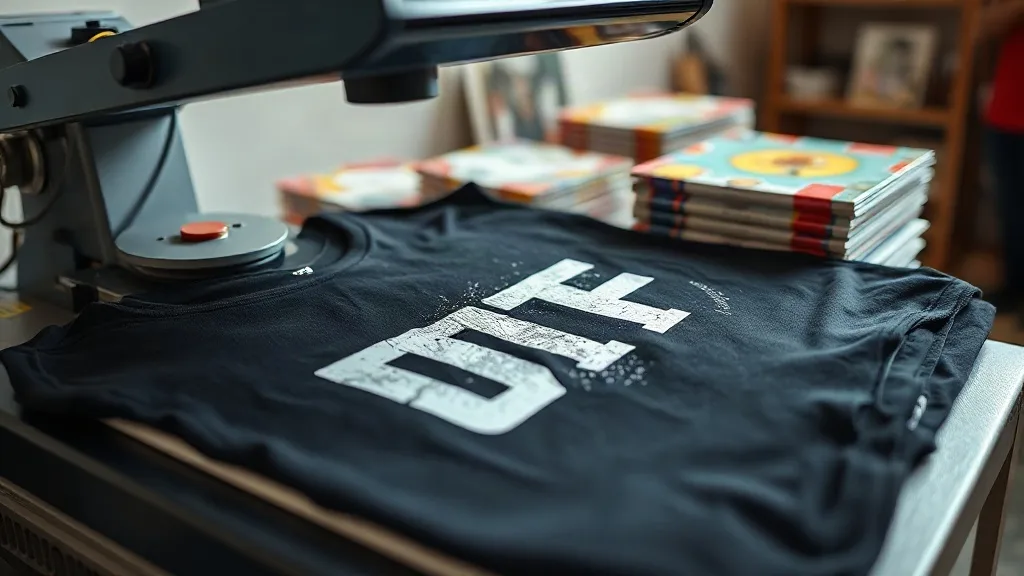
When it comes to custom apparel, achieving vibrant, durable prints that withstand the test of time is a top priority. DTF transfers have emerged as a game-changer in the printing industry, offering a versatile and cost-effective solution for both small businesses and large-scale operations. In this guide, we'll explore what DTF transfers are, how they work, and why they might be the perfect choice for your next project.
What Are DTF Transfers?
DTF stands for Direct-to-Film, a printing technology that involves printing your design onto a special film, then transferring it to fabric using a heat press. Unlike other methods, DTF works on a wide range of materials, including cotton, polyester, blends, and even nylon, without the need for pre-treatment. This flexibility makes it a favorite among crafters and professionals alike.
The DTF Printing Process
The process begins with your design being printed onto a PET film using specialized DTF inks. A powder adhesive is applied to the wet ink, which is then cured. Once ready, the film is placed on the fabric and pressed with heat, transferring the design permanently. The result is a soft, stretchable print that holds up wash after wash.
Why Choose DTF Transfers?
There are several compelling reasons to opt for DTF transfers over traditional methods like screen printing or vinyl. Here are some key benefits:
- Versatility: Works on almost any fabric, including dark and light colors.
- Durability: Prints resist cracking, peeling, and fading.
- Cost-effective: No minimum order quantities and low setup costs.
- High detail: Perfect for intricate designs with fine lines and gradients.
Whether you're printing a single custom t-shirt or a bulk order for a team, DTF transfers deliver consistent quality.
Finding Quality DTF Transfers Near You
If you're searching for dtf transfers near me, you're in luck. Many local print shops now offer DTF services, but quality can vary. To ensure you get the best results, look for providers who use high-quality inks and films, and who have positive customer reviews. Online suppliers also offer convenient shipping, so you can access top-notch DTF transfers even if there's no local provider.
What to Look for in a DTF Transfer Service
When choosing a DTF transfer service, consider the following:
- Material quality: Inks and films should be from reputable brands.
- Color accuracy: They should match your design's colors precisely.
- Turnaround time: Fast production and shipping are essential for meeting deadlines.
- Customer support: Responsive service to address any concerns.
By selecting a reliable provider, you can avoid common pitfalls like dull colors or premature peeling.
Applications of DTF Transfers
DTF transfers are incredibly versatile and can be used for a multitude of products:
- Custom t-shirts and hoodies
- Sports jerseys and team uniforms
- Tote bags and accessories
- Corporate apparel and promotional items
Whether you're a small business owner looking to expand your product line or an individual creating personalized gifts, DTF transfers offer endless possibilities.
Tips for Successful DTF Printing
To get the most out of your DTF transfers, keep these tips in mind:
- Use high-resolution images: Ensure your design is at least 300 DPI for crisp prints.
- Pre-press fabric: Remove wrinkles and moisture for better adhesion.
- Follow pressing instructions: Each transfer comes with specific temperature and time settings.
- Test on scrap fabric: Before pressing onto your final product, do a test to calibrate your heat press.
These small steps can significantly improve the quality and longevity of your prints.
DTF vs. Other Printing Methods
How does DTF compare to screen printing, DTG, and vinyl? Here's a quick breakdown:
- Screen printing: Cost-effective for large orders but requires setup and is limited to certain fabrics.
- DTG: Great for cotton but can be less vibrant on dark colors and requires pre-treatment.
- Vinyl: Ideal for simple designs but not for complex images.
- DTF: Offers the best of all worlds: vibrant colors, fine details, and compatibility with various fabrics.
For many applications, DTF is the superior choice.
Conclusion
DTF transfers are revolutionizing the custom apparel industry with their versatility, durability, and cost-effectiveness. Whether you're a hobbyist or a professional printer, understanding this technology can help you achieve stunning results. So next time you need custom prints, consider DTF transfers for a flawless finish.
Frequently Asked Questions
What fabrics can I use with DTF transfers?
DTF transfers work on a wide range of fabrics, including cotton, polyester, blends, nylon, and even leather. They are especially effective on dark and light colors alike.
How long do DTF transfers last?
When applied correctly, DTF transfers can last as long as the garment itself, resisting cracking, peeling, and fading through numerous washes.
Can I use DTF transfers on items other than t-shirts?
Absolutely! DTF transfers are suitable for hoodies, tote bags, caps, and more. Just ensure the item can withstand the heat press temperature.
Do I need special equipment to apply DTF transfers?
You'll need a heat press to apply DTF transfers. A home iron can work in a pinch but may not provide consistent pressure and temperature.
Where can I find high-quality DTF transfers?
Look for reputable online suppliers or local print shops that specialize in DTF. Check reviews and ask for samples to ensure quality.